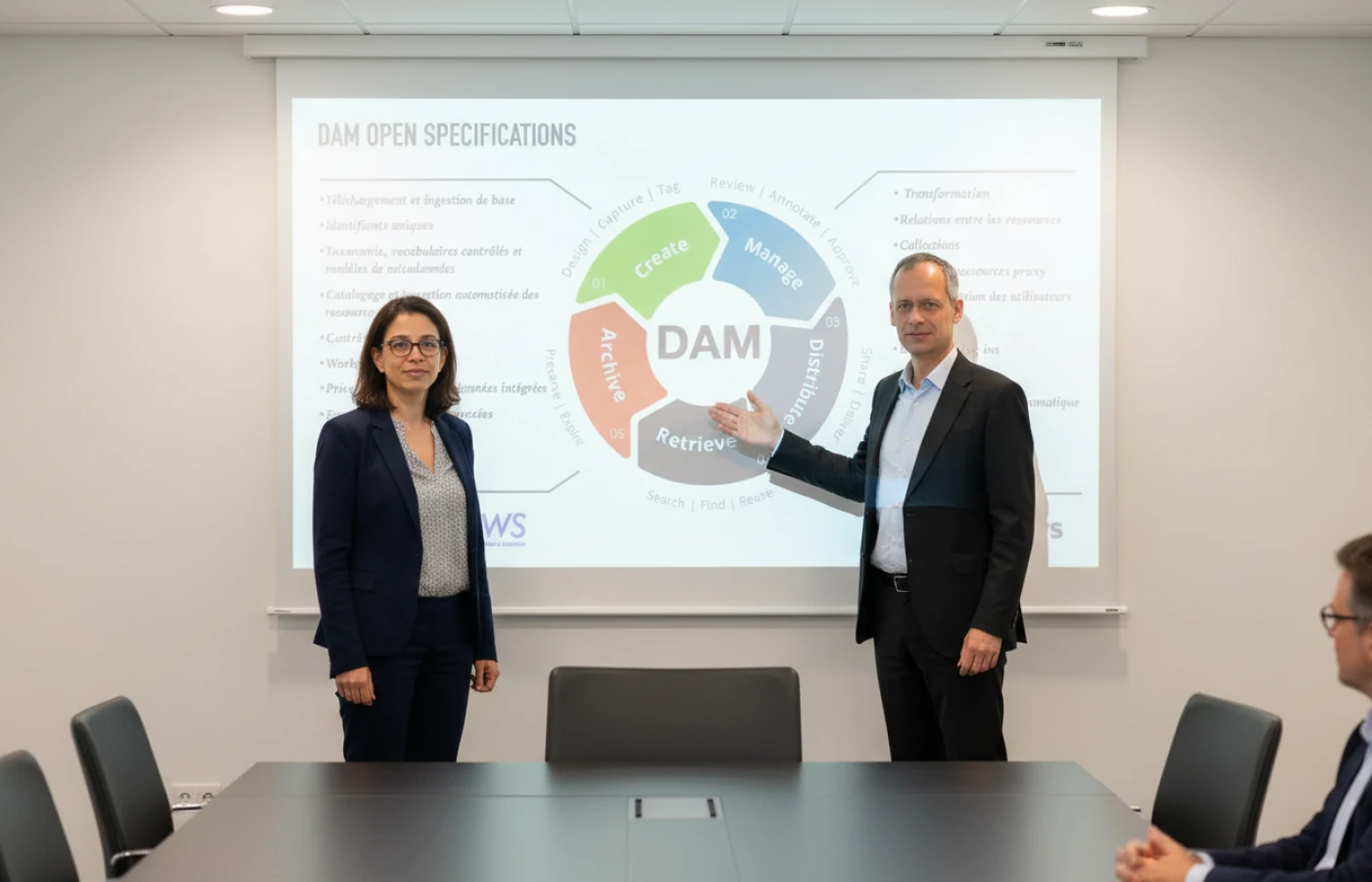
Many organizations struggle with asset chaos — from disorganized files and metadata chaos to low DAM adoption. A digital asset management consultant brings a structured approach to fix these issues: auditing your current state, crafting a tailored strategy, implementing the right DAM platform with proper metadata, taxonomy and integrations, and leading user adoption. This end-to-end process transforms your asset library into a single source of truth that drives brand consistency, faster creative output, higher content ROI, and reduced risk.
Digital content chaos is a growing pain point for companies of all sizes. Marketing teams, creative departments, and other stakeholders produce an ever-expanding volume of images, videos, graphics, and documents. Without a proper digital asset management (DAM) system, these files often end up scattered across network drives, email attachments, cloud folders, or personal desktops. The result is low adoption of any official repository and a frustrating hunt for the “right” version of an asset.
Teams struggle with metadata chaos (inconsistent or missing tags making search nearly impossible) and process bottlenecks. As the organization and content library grow, this scattershot approach simply doesn’t scale — a clear sign of scaling pain. At this point, many organizations realize they need expert guidance to regain control of their brand assets and workflows.
Common symptoms that drive companies to seek DAM consulting include:
All these challenges underscore why a digital asset management consulting engagement becomes so valuable. A specialist can pinpoint the root causes of DAM issues, tame the organizational chaos, and develop a roadmap to turn a struggling content library into a well-oiled strategic asset.

A digital asset management consultant is an expert advisor who helps organizations maximize the value of their digital assets through proper technology and process. Unlike a software vendor’s implementation team focused only on one product, DAM consultants take a holistic, vendor-neutral approach. Their role is to understand the client’s business goals, content workflows, and pain points, then recommend and implement solutions that fit those unique requirements. In practice, a digital asset management consultant might guide the entire journey — from selecting the optimal digital asset management software to configuring it, designing metadata and taxonomy standards, integrating with other systems, and ensuring the solution is actually embraced by users.
Crucially, a DAM consultant’s job is not to push any specific DAM system, but to deliver outcomes. They work as strategic partners who align the DAM initiative with business objectives like faster time-to-market, brand consistency, and risk mitigation. This often means building a business case and ROI analysis for digital asset management so executives understand the long-term value.
A consultant brings deep experience from many DAM projects and industries, so they come armed with proven frameworks and best practices. They can spot pitfalls early (for example, recognizing when a taxonomy won’t scale or when governance is too lax) and course-correct before those issues derail the project. In short, a digital asset management consultant provides both the technical know-how and the transformation mindset needed to elevate an organization’s content operations.
Successful DAM consulting engagements usually follow several well-defined phases. While every project is tailored to the client, the core stages often include an initial audit, strategy development, metadata and taxonomy design, establishing governance, technical implementation with integrations, and driving user adoption. Each phase builds on the previous to ensure the digital asset management solution is not only technically sound but also aligned with people and processes.
Every consulting project begins with a thorough audit of the current state. In this phase, the DAM consultant dives into how and where your digital assets are stored today and how your teams work with them. This discovery involves inventorying existing assets (often revealing duplicates, outdated files, or entire collections hiding on hard drives), mapping out current workflows, and gathering input from stakeholders across departments. The consultant may conduct interviews or surveys with teams in marketing, creative, sales, IT, and other areas to pinpoint what’s working and what isn’t. If the organization already has a DAM system in place, this phase becomes a health-check: analyzing usage patterns, assessing metadata quality, and evaluating configuration against best practices. The output of the audit is a clear assessment of gaps and opportunities. It answers key questions: Where are the inefficiencies and pain points? Which content processes break down most often? How hard is it for team members to find and use assets? This honest baseline sets the stage for an informed strategy.
After understanding the status quo, the consultant works on a strategy and roadmap to achieve the organization’s DAM goals. This isn’t just about choosing a tool — it’s about defining how digital asset management will support the business long-term. The consultant helps clarify objectives and success metrics: for example, is the priority to enable faster campaign launches, improve global brand consistency, or reduce compliance risk? Often, the strategy phase includes building a business case quantifying benefits like time saved in asset searches, reduction in duplicate work, and risk mitigation from better rights management. A roadmap is then developed to map out key initiatives such as selecting or upgrading a DAM platform, developing metadata standards, cleaning up legacy assets, and training users. If the company hasn’t yet invested in a DAM solution (or needs to replace an inadequate one), the consultant will conduct a vendor-neutral evaluation at this stage. Leveraging their knowledge of the DAM software landscape, they match your requirements to the right platform options. They might run a formal RFP process or coordinate demos (often using your own assets for realism) to see which DAM platform fits best. The result of the strategy phase is a concrete plan that aligns stakeholders on how to proceed. Everyone gains a clear picture of what a successful DAM implementation will look like and what it will achieve for the business.
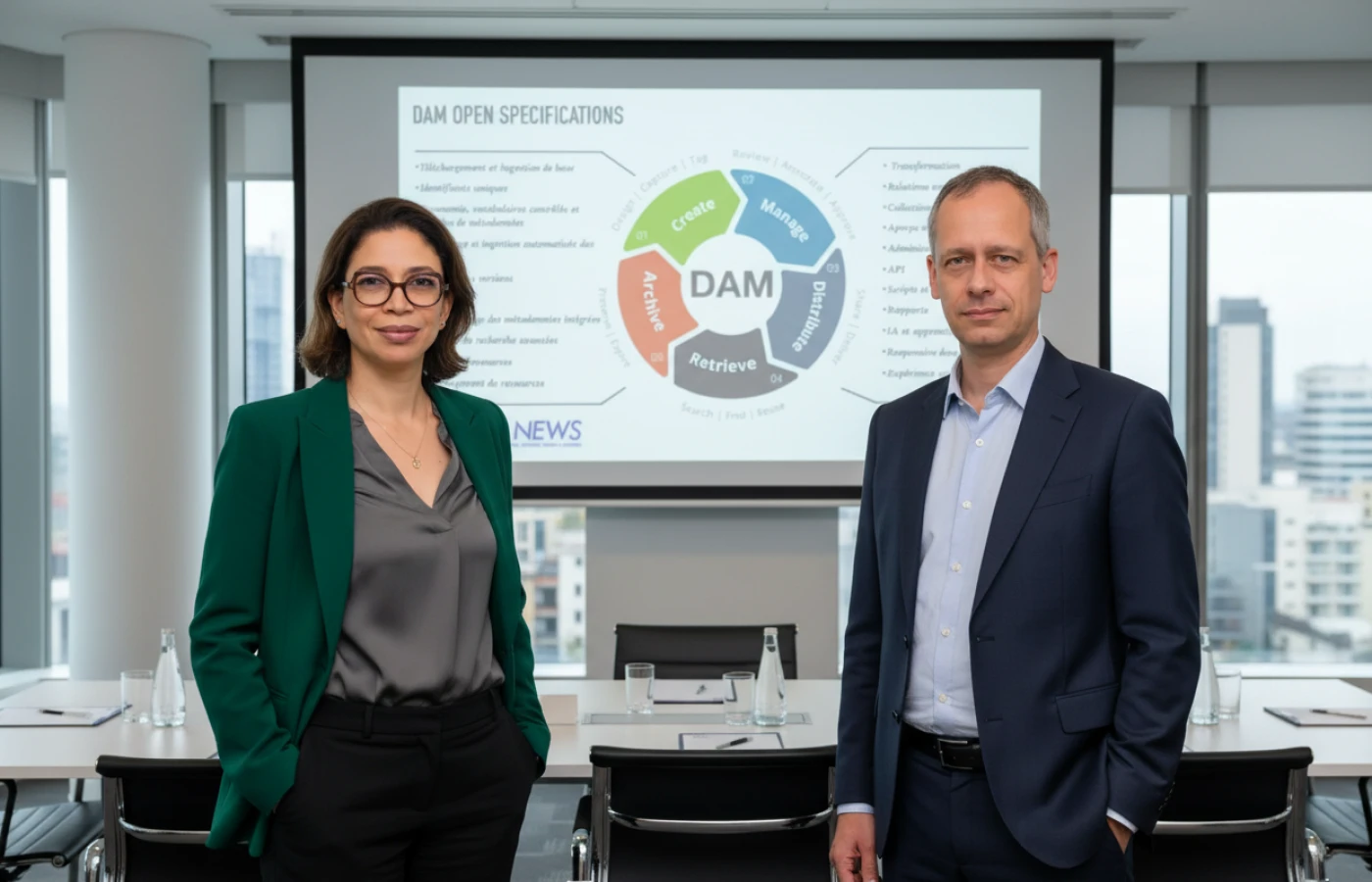
One of the most critical deliverables of DAM consulting is a well-designed metadata model. In the metadata phase, the consultant defines what information should be captured about each asset to make it easily searchable and manageable. This goes far beyond a filename or basic tags. A consultant will work with your team to identify the key descriptors relevant to your assets and workflows. This could include attributes like product IDs or SKUs, campaign names, content types, creation dates, photographers or creators, usage rights, expiration dates, and more — whatever helps categorize and retrieve those assets efficiently. The consultant introduces best practices for metadata: using consistent naming conventions, controlled vocabularies for certain fields, and perhaps industry standards relevant to your business. The outcome of this phase is a metadata schema or template that will be applied to assets going forward (and retrospectively to important existing assets). By thoughtfully structuring metadata, the DAM becomes a powerful database rather than just a file storage system. Users will be able to filter and find assets by a combination of attributes — something impossible when metadata is chaotic or missing. This phase often overlaps with governance planning, as decisions are made about who will maintain metadata quality and how new metadata values (like new product categories or campaign tags) will be handled.
In parallel with metadata design, the consultant addresses the taxonomy — essentially, how assets are organized and classified. While metadata is about describing assets, taxonomy is about arranging them in logical groups so that users can browse intuitively. This phase involves developing a hierarchical classification or folder structure that makes sense for the organization’s content and users. For example, a retailer might organize assets by Product Category → Subcategory → Season, whereas a museum might categorize by Collection → Era → Object Type. The consultant will use stakeholder input and knowledge of your content usage to propose a taxonomy that balances simplicity with scalability. They also consider how the taxonomy and metadata will work together: for instance, taxonomy terms can be used as controlled values in metadata fields to keep tags consistent. Another aspect of organization is defining relationships between assets (e.g. grouping different format renditions of the same image, or linking related assets like a product photo and its data sheet). By the end of this phase, you’ll have a clear content organization scheme — often visualized as a taxonomy tree or library structure — which will guide both the migration of existing assets and the placement of new ones. A well-defined taxonomy ensures that users have multiple intuitive ways (browsing or searching) to navigate the repository, greatly reducing the chance of content getting “lost” in the system.
Technology alone won’t solve asset chaos; strong governance and workflows are essential. In this phase, the DAM consultant establishes the rules and processes that will keep the system running smoothly and sustainably. Governance includes defining user roles and permissions (who can upload assets, edit metadata, approve or publish content, download files, etc.) as well as setting policies for asset lifecycle and rights management. The consultant might help form a DAM governance team or steering committee within the organization, assigning clear ownership for different aspects of asset management. Alongside governance, they design or refine workflows for how assets move through their lifecycle. This is where improvements to creative operations often come in. For example, the consultant will map out how a new asset should flow from a creative team into the DAM: it might start in an “in review” area, trigger an approval task for a brand manager or legal reviewer, then upon approval become available in a public marketing library with the correct metadata and permissions. They also address version control and audit trails — ensuring you can track who approved what and when. By engineering these workflows and approval processes, the consultant helps eliminate bottlenecks like long email chains for asset approvals or confusion over which version is final. The governance and workflow phase essentially delivers a playbook for how your organization will manage assets day to day, and who is responsible for each step, so that the DAM continues to deliver value long after initial setup.
With strategy, metadata, taxonomy, and governance blueprint in hand, the next phase is the technical implementation. Here, the DAM consultant often works alongside IT and perhaps the chosen vendor to configure the DAM system and integrate it into the company’s larger technology ecosystem. Key activities include setting up the metadata schema and taxonomy within the DAM software (creating custom fields, controlled lists, user groups, etc.), and configuring the permission settings and workflows defined in the prior phase. If the DAM is a cloud-based digital asset management solution, the consultant will ensure that it is set up with enterprise security in mind — integrating with Single Sign-On (SSO) or corporate user directories, setting up secure external access if needed, and verifying content delivery performance (for example, using a CDN for fast global asset distribution).
Integration is a significant focus: a DAM rarely stands alone. The consultant will connect the DAM with other critical systems such as a PIM (Product Information Management) for product data, a CMS for websites, an e-commerce platform, and creative tools like the Adobe Creative Cloud suite. For example, integrating a DAM with a PIM allows product images and descriptions to stay in sync, while connecting with a CMS ensures web pages always pull in the latest approved visuals from the DAM. In many cases, integration even extends to automating database publishing for print catalogs or brochures — linking the DAM (and PIM) to layout tools like Adobe InDesign so that print materials can be generated directly from up-to-date assets and data.
The implementation phase also covers migrating existing assets into the new DAM. A consultant will plan and oversee the migration process, which involves consolidating files from various sources, cleaning and enriching metadata before import, and ensuring nothing is lost or mis-tagged. Through careful configuration and integration, this phase delivers a running DAM platform that fits seamlessly into your company’s tech landscape.
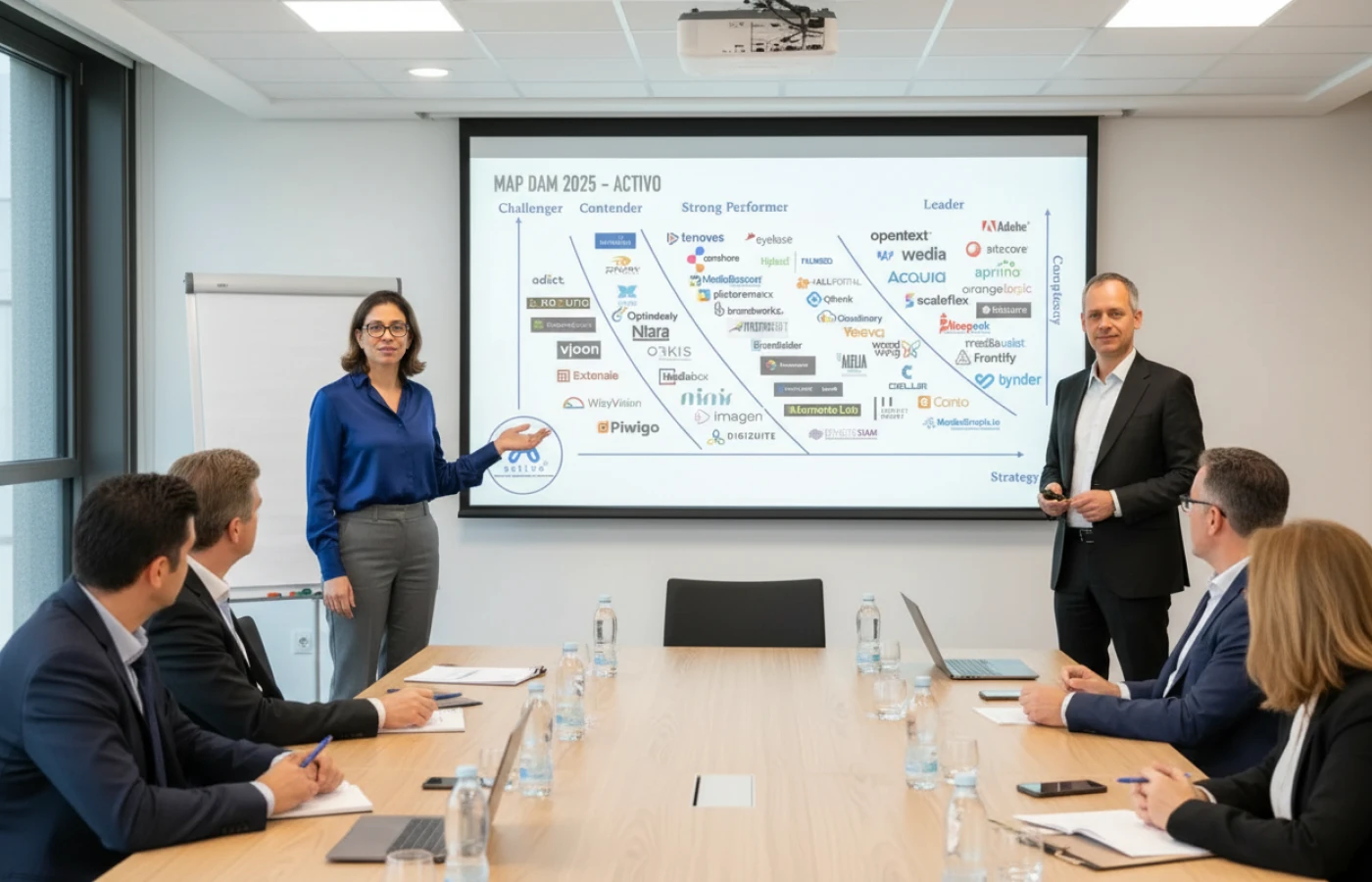
The final — and arguably most critical — phase is driving user adoption. A digital asset management solution only delivers value if people actually use it as the central hub for assets. DAM consultants therefore place heavy emphasis on change management and training.
They create training programs tailored to different user roles (e.g. contributors vs. consumers of assets). This often includes live workshops, one-on-one training sessions, and the creation of user guides or “DAM playbooks” that show how to upload, tag, search, and retrieve assets effectively in the new system.
The consultant may identify power users or champions in each department who can help advocate for the DAM and support their peers. Consultants also ensure everyone understands the “why” behind the change. They illustrate how the new processes will make daily work easier — for example, a designer can find the right asset in seconds, or a marketer can trust that an image from the DAM is approved and up-to-date.
To drive adoption further, consultants often establish metrics to measure success — for example, tracking increases in asset downloads or decreases in time spent searching — and then share these wins with stakeholders. Early successes and quick responses to user feedback go a long way toward building confidence in the new system. Ultimately, the result is not just a technical installation but an entirely new way of working. By the end of the project, the organization has a fully adopted content management ecosystem: users trust it as the single source of truth for assets, and leadership can clearly measure the returns in efficiency, consistency, and speed.
Engaging in a DAM consulting program delivers far more than a tidy media library. While better searchability is a given outcome, the real benefits are strategic and spread across the organization. Here are some of the major advantages that expert digital asset management consulting can unlock:
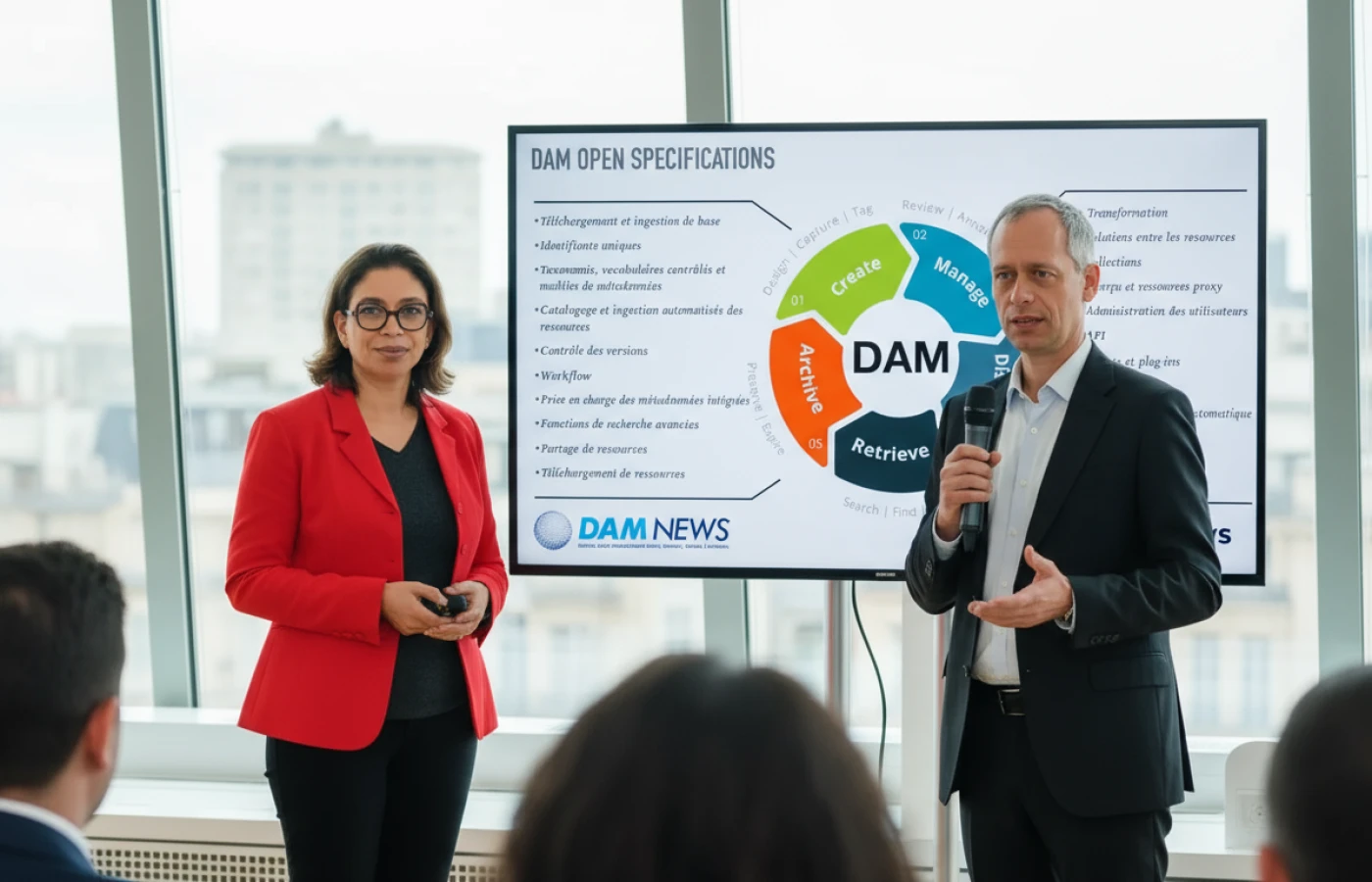
Digital asset management needs can vary widely across industries, and a seasoned DAM consultant adjusts strategies accordingly. Here are a few examples of how DAM consulting delivers value in different sectors:
To illustrate how consulting solves real problems, here are a few frequent scenarios:
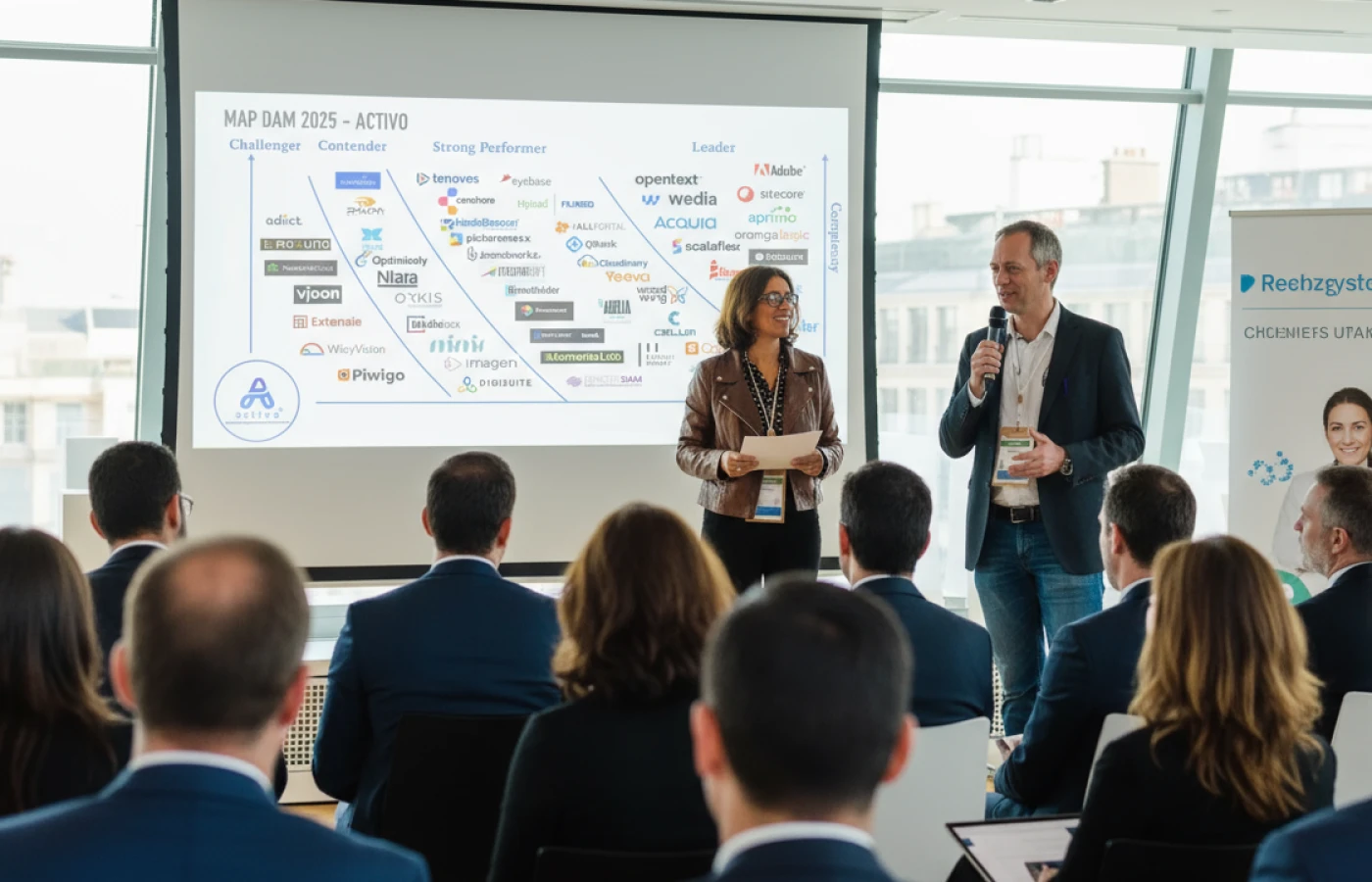
In the journey to tame your digital assets, who leads the charge is a critical decision. Organizations often weigh using internal teams or vendor-provided services versus bringing in an independent DAM consultant. Choosing a vendor-neutral expert offers distinct advantages that can significantly affect the project’s outcome:
In conclusion, digital asset management consulting delivers far more than a piece of software; it delivers a transformation in how your organization manages one of its most vital resources — digital content. With a vendor-neutral DAM expert guiding the process, you gain a solution that is tailored to your needs, an empowered workforce that actually uses the system, and a strategic framework to get long-term value from your assets. The end result of DAM consulting is not just an organized content library, but a scalable, measurable content ecosystem that turns asset chaos into a competitive advantage.

Interested in a joint project, a web demo or just getting to know us? We'll get back to you as soon as possible.
