
Hiring the right pim consultant can make or break your product information management journey. This article lays out objective evaluation frameworks and ROI measurement methods to help enterprise decision-makers select consultants aligned with business goals. It explains critical criteria — experience, methodology, neutrality, cultural fit, scalability — and offers tools for weighting and scoring. It also explains how to quantify ROI across cost, revenue, efficiency, and risk dimensions. Secondary keyword pim consultancy appears naturally within the guidance, ensuring SEO alignment.
Selecting a PIM consultant is a high‑stakes decision. The wrong choice can lead to misaligned strategies, cost overruns and poor adoption; the right choice accelerates your PIM consultancy journey, unifying product data, enriching customer experiences and delivering measurable business value. This article addresses the search intent directly: it provides an objective framework for evaluating PIM consultants and calculates ROI so you can choose a partner who fits your enterprise culture, technical landscape and strategic goals.
Product information management touches every part of a modern enterprise — marketing, e‑commerce, supply chain, finance and creative operations. A well‑implemented PIM system centralizes product data, enforces quality, supports multichannel distribution and links to digital assets and content management systems. But implementing PIM is complex: it involves data modeling, taxonomy design, integration, governance, workflow orchestration, user training and ongoing optimization. Few enterprises have all these skills in‑house. A PIM consultant offers specialized expertise, guiding the journey from assessment and strategy to system selection, implementation and continuous improvement.
A PIM consultant is not merely a project manager. They are a strategic partner who understands both the technology and the business context. Their responsibilities include auditing data sources, mapping processes, identifying gaps, defining the business case and ROI, designing data models, orchestrating integrations and workflows, guiding change management and training, and ensuring long‑term governance and optimization. The consultant’s independence and domain expertise allow them to propose solutions tailored to your unique challenges rather than pushing a particular vendor’s agenda.
When engaging consultancy services, enterprises have two main options: independent consultants or vendor‑led implementation teams. Independent consultants bring objectivity, broad market knowledge and customized methodologies. They evaluate multiple PIM platforms to find the best fit, assist with contract negotiations and provide long‑term advisory services. Vendor‑led teams offer deep knowledge of a specific platform and access to vendor resources but may be biased toward their own solution, limiting the breadth of consideration. Hybrid approaches combine independent strategy and vendor execution. Understanding these models helps organizations align consultants with their culture, budgets and complexity.
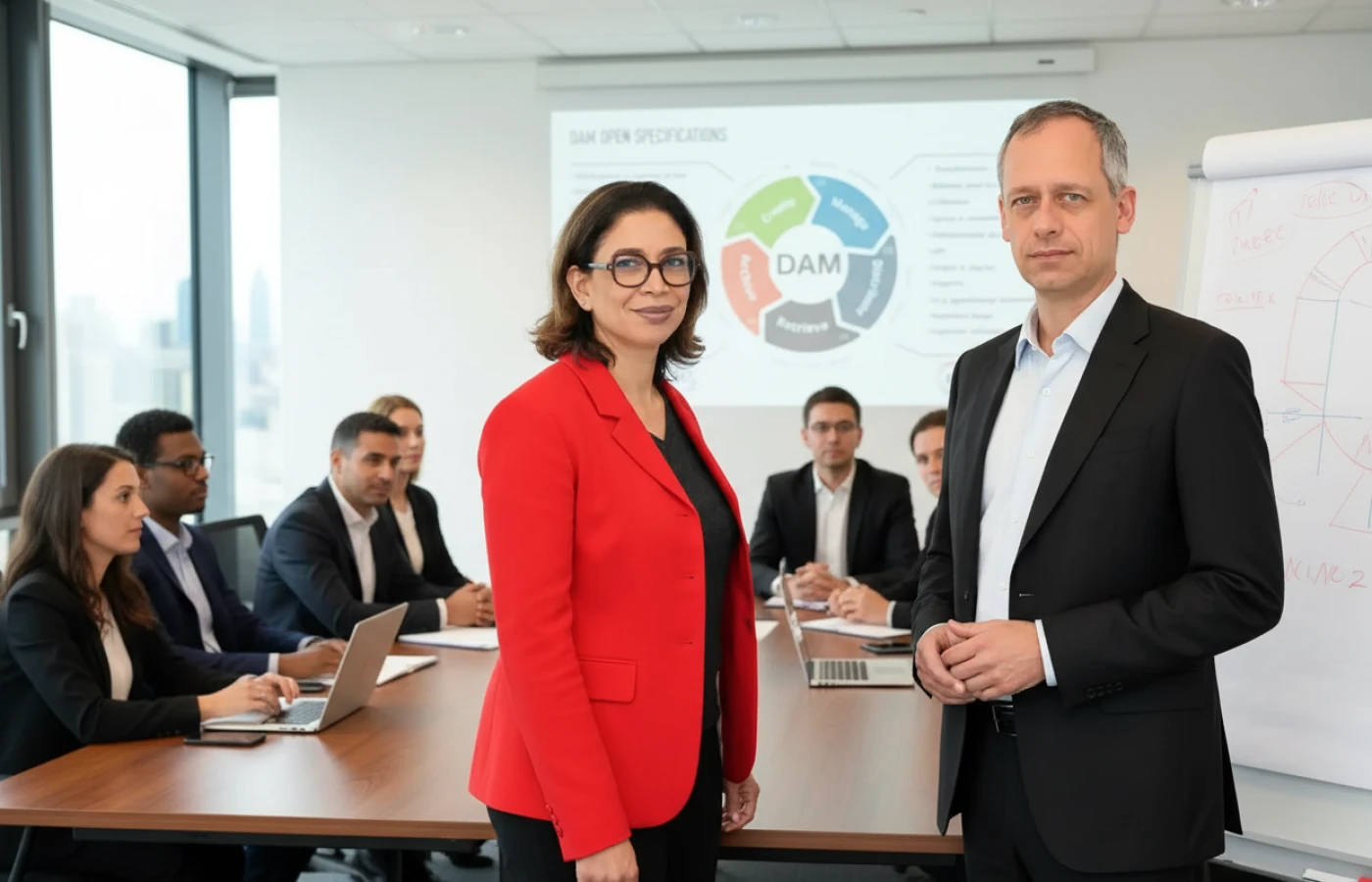
Before diving into evaluation criteria, clarify why you need a consultant and what success looks like. A strong strategic foundation ensures you evaluate potential partners against outcomes that matter rather than superficial features.
Define the business objectives driving your PIM initiative. Are you aiming to accelerate product launches, improve data quality, support new channels or meet regulatory requirements? How will PIM support e‑commerce personalization, digital shelf analytics or creative operations? Align these goals with your consultant’s deliverables. A consultant who has helped similar companies achieve comparable outcomes will be more effective than one with generic experience.
A well‑structured business case justifies investment in a PIM consultant. Estimate the costs of data inefficiency — manual data cleansing, returns due to inaccurate listings, delays in product launches and the opportunity cost of missing cross‑selling opportunities. Quantify potential benefits: improved conversion rates from richer product content, reduced returns from better data accuracy, faster time‑to‑market, operational cost savings and regulatory compliance. The business case will shape evaluation criteria and provide baseline metrics for measuring consultant performance.
Assess your organization’s readiness across data quality, governance, technology landscape, skills and process maturity. Recognize how your organizational culture influences decision making, collaboration and change management. Some consultants excel in highly structured, process‑driven environments; others thrive in agile, iterative cultures. Align consultant selection with the way your organization operates to maximize synergy.
Selecting a consultant involves balancing multiple criteria. The framework below organizes these into six categories, each with specific evaluation factors. Use them to build a scoring matrix tailored to your priorities.
A consultant’s ability to handle complex PIM implementations depends on their depth of knowledge and track record.
Every industry has unique product data challenges — retail deals with variant management and localization; manufacturing requires complex bills of materials and regulatory compliance; life sciences demands precision and traceability. Look for consultants who have delivered PIM projects within your sector. They will understand regulatory nuances, data models and best practices relevant to your products.
Evaluate the consultant’s proficiency in PIM platforms, data modeling, integration middleware, API design and surrounding systems such as DAM, CMS, ERP and e‑commerce. Ask them to explain how they have solved data quality, workflow and integration issues in past projects. Depth matters: a consultant should not only configure a system but also design extensible architectures and integration patterns that future‑proof your environment.
Request case studies and references from previous clients. Focus on projects of similar size, complexity and industry. Ask about project outcomes, challenges encountered and lessons learned. Successful consultants will be transparent about both successes and missteps, demonstrating humility and continuous improvement.
A structured, flexible methodology ensures projects are predictable yet adaptable to specific needs.
A robust consultant will start with a thorough assessment: auditing data sources, conducting stakeholder interviews, mapping processes and documenting pain points. Ask about their assessment tools and techniques. Do they use standardized templates, maturity models or frameworks? How do they translate findings into actionable recommendations? A methodical assessment builds trust and clarifies scope.
Review how consultants translate requirements into solutions. Do they provide a clear roadmap with phases, milestones and deliverables? How do they balance best practices with customization? A credible consultant will define the target data model, taxonomy, workflows, integration architecture and migration strategy while accommodating your organizational constraints and future goals.
Ask about their project management framework — waterfall, agile, hybrid? Effective PIM implementation often benefits from iterative approaches: early prototypes, incremental configuration, regular feedback loops and continuous integration. Ensure the consultant’s methodology includes risk management, change control and quality assurance processes.
Vendor neutrality is critical if you want an unbiased evaluation of PIM platforms and solutions.
Confirm that the consultant does not have financial incentives tied to specific vendors. Transparency about partnerships, referral agreements or certifications helps avoid conflicts of interest. Neutral consultants evaluate multiple platforms and recommend based solely on your requirements.
Ask prospective consultants to describe how they conduct vendor evaluations. Do they create structured scoring matrices aligned to your requirements? Do they facilitate proof‑of‑concept sessions with multiple vendors? Their process should prioritize your needs and fairness, not vendor marketing.
Evaluate the consultant’s ethical standards. Are they clear about their pricing structures, contractual terms and potential conflicts of interest? Ethical consultants foster trust and long‑term relationships. Request information on how they handle confidentiality and sensitive data.

Technical skills alone don’t guarantee success. PIM implementation requires cross‑functional collaboration and cultural alignment.
Assess how consultants communicate with both technical and business stakeholders. They should translate complex technical concepts into business language, facilitate workshops and listen actively to user concerns. Clear communication helps align expectations and fosters buy‑in.
Different consultants adopt different styles — collaborative, directive, hands‑on or advisory. Choose a style that fits your organization’s culture. If your team values autonomy, look for a consultant who empowers internal teams through coaching and knowledge transfer. If you need strong direction, a more hands‑on consultant may be appropriate.
Effective consultants leave clients self‑sufficient. Evaluate how they plan to transfer knowledge and skills throughout the project. Do they provide training, documentation and mentoring? Do they encourage your staff to participate in configuration and design activities? Knowledge transfer reduces dependency and builds internal capabilities.
Pricing is important but should be viewed in context. Low fees are meaningless if the consultant fails to deliver value.
Compare pricing structures — fixed fee, time and materials, retainer or performance‑based. Each model has trade‑offs. Fixed fee offers cost predictability but may lead to inflexibility; time and materials allow agility but require close monitoring; retainers spread costs over longer periods; performance‑based fees align incentives but demand clear, measurable objectives.
Ensure contracts detail scope, milestones, deliverables, acceptance criteria and responsibilities. Ambiguous statements lead to scope creep and disputes. Evaluate the consultant’s willingness to adapt scope as priorities evolve and how they handle change orders.
Consider whether the consultant can adjust resource levels based on project needs. Larger projects may require additional analysts, architects or developers; smaller ones may not justify full teams. Flexibility supports cost management and timeline adherence.
PIM projects don’t end at go‑live. Continuous improvement and support are critical to sustain ROI.
Assess whether the consultant has sufficient resources to support complex implementations and future expansions. Small firms may excel at strategy but lack technical resources for integration and development; large firms may offer deep bench strength but at higher cost. Ensure alignment with your project scale and timeline.
Ask about post‑go‑live services: optimization, upgrades, new feature rollouts, support and maintenance. Does the consultant provide structured support packages or rely on ad‑hoc arrangements? Clear post‑implementation plans ensure continuity.
Evaluate how consultants document configurations, workflows and decisions. Documentation facilitates handovers, reduces risk if the consultant disengages and supports future initiatives. Knowledge retention plans should include training sessions, documentation repositories and possibly mentoring of internal staff.
The evaluation criteria above can be overwhelming. A decision matrix organizes these factors into a structured tool for comparing consultants. Follow these steps to build your matrix:

Selecting a consultant is not just about capabilities; it’s about value. ROI analysis helps justify the investment and monitor success.
Effective ROI analysis looks beyond simple cost versus revenue calculations. Consider four dimensions:
Baseline metrics should be captured before the PIM consultant begins. Examples include product onboarding cycle times, data error rates, number of SKUs managed, conversion rates, return rates and staff hours spent on data management. Define KPIs aligned with your objectives: number of products published per month, time to update product information across channels, and completeness scores. For each ROI dimension, identify both leading indicators (e.g., workflow throughput) and lagging indicators (e.g., revenue growth). Track these metrics during and after implementation to quantify improvements.
ROI does not appear all at once. Cost savings may materialize within months, while revenue growth can take longer. Create a measurement timeline: cost reduction and productivity gains may be realized within six to eighteen months, revenue growth within twelve to thirty‑six months, and risk reduction across similar timeframes. Align ROI measurement with project milestones and the continuous improvement cycle. This timeline helps manage expectations and communicate progress to executives.
Craft executive dashboards and reports that translate ROI metrics into actionable insights. Summarize total investment, realized returns and projected future returns. Highlight strategic progress and risk indicators. Provide recommendations for further investment. Clear ROI communication secures continued support and resources for PIM initiatives.
Effective consultant engagements require strong internal governance and clear alignment between business and technology functions.
Create a steering committee comprising executives from IT, marketing, merchandising, supply chain, finance, creative operations and compliance. The committee defines the strategic goals of the PIM program, approves budgets and scope changes, monitors progress and resolves conflicts. Including diverse stakeholders ensures that the consultant’s work aligns with enterprise priorities.
Assign clear roles for internal staff: a project sponsor championing executive support, a product owner responsible for day‑to‑day decisions, data stewards ensuring data quality, integration architects for technical alignment and business analysts bridging requirements and execution. Clarify expectations for the consultant: what decisions they can make independently, where approvals are required and how knowledge transfer will occur.
Governance is not only about structure but also about people. Implement a change management plan that communicates the purpose and benefits of the PIM initiative, outlines changes to processes and tools, and provides training opportunities. Work with the consultant to develop role‑specific training materials, workshops and ongoing support. Monitor adoption metrics such as user engagement, system usage and feedback.
Evaluate the consultant’s performance throughout the engagement. Use mid‑project assessments and post‑mortem reviews to capture what went well and what can be improved. Measure the consultant’s adherence to timelines, budget, scope, quality of deliverables and stakeholder satisfaction. Performance evaluations ensure accountability and continuous improvement.
Awareness of common pitfalls helps organizations avoid costly mistakes.
Selecting a consultant solely based on the lowest bid often leads to disappointment. Low cost may signal inexperience, limited resources or hidden fees. Instead, balance price with value; evaluate whether the consultant can deliver desired outcomes efficiently and sustainably. Consider the total cost of ownership, including rework and missed opportunities from poor consulting.
Technical competence alone does not guarantee project harmony. Misaligned working styles can lead to friction, miscommunication and resistance. Assess cultural fit during interviews. Evaluate whether the consultant’s communication style, decision‑making approach and values align with your organization. Poor fit can erode trust and collaboration, undermining project success.
Some consultants have hidden agendas, pushing particular platforms due to partnerships or commissions. If neutrality is important, ask for transparency about affiliations and compensation models. Evaluate whether the consultant has delivered projects across multiple PIM platforms. Biases can narrow your options and lead to suboptimal choices.
Many organizations focus on the implementation phase and neglect what comes after. A consultant who disappears after go‑live leaves you with unresolved issues and no path for optimization. Ensure that long‑term support, documentation and knowledge transfer are included in the contract. Ask about upgrade and expansion capabilities; you want a consultant who remains a partner as your PIM evolves.
Consultant evaluations often focus on technology but ignore the importance of data cleansing and governance. If your data quality is poor or governance processes are weak, no consultant can succeed. Address data readiness before evaluating consultants, and ensure that governance frameworks are part of the evaluation criteria.
Rushed evaluations lead to hasty decisions and overlooked risks. Allow adequate time for assessment, interviews, reference checks and proof‑of‑concepts. Engage stakeholders across departments. Document findings comprehensively. A thorough evaluation process reduces the likelihood of expensive course corrections.

The PIM consulting landscape is evolving rapidly. Consultants must adapt to emerging technologies and changing enterprise needs.
Composable architectures break down monolithic systems into interchangeable components. In PIM, this means selecting best‑of‑breed modules for data modeling, enrichment, syndication, analytics and AI services. A consultant versed in composable architectures can design a flexible ecosystem that evolves with your business. Evaluate their experience in headless PIM, microservices and API‑first design. Ask how they manage integration complexity, governance and change management in a composable environment.
AI and machine learning are transforming product information management. AI can generate attribute suggestions, automate data cleansing, translate descriptions and recommend cross‑sell associations. Consultants must understand how to integrate AI services into PIM workflows, evaluate model quality and ensure ethical use of AI. They should also advise on governance for AI — ensuring human oversight, bias mitigation and compliance with regulations. Evaluate their experience with AI-driven enrichment and analytics tools.
Future‑oriented consultants recognize that PIM is not just about storing data — it’s about optimizing content performance. They should propose integration with digital shelf analytics tools that track attribute performance, search ranking and conversion metrics across channels. Consultants should help interpret these insights and feed them back into content optimization. Ask about their approach to integrating analytics and establishing a closed feedback loop.
As regulations around sustainability, product provenance and safety intensify, PIM systems must capture and report more granular data. Consultants should be conversant with emerging standards and anticipate how to incorporate environmental impact data, recycling instructions, and compliance certifications into product models. Evaluate how consultants keep abreast of regulatory trends and incorporate them into solution designs.
Choosing the right pim consultant is a strategic decision that affects your organization’s ability to harness product information for competitive advantage. By applying objective evaluation frameworks, weighting criteria according to your goals, and thoroughly assessing cultural fit, neutrality, methodology, scalability and cost models, you can select a partner who aligns with your enterprise’s needs. Equally important is measuring ROI across cost savings, revenue growth, productivity gains and risk reduction to ensure your pim consultancy investment pays off. Avoid common pitfalls by valuing expertise over low price, emphasizing transparency and long‑term support, and allocating sufficient time for thorough evaluations. Future‑proof your PIM program by partnering with consultants who understand composable architectures, AI‑driven enrichment, analytics and evolving regulations. When approached thoughtfully, selecting a PIM consultant becomes not just a procurement exercise but a catalyst for strategic transformation and enduring value.

Interested in a joint project, a web demo or just getting to know us? We'll get back to you as soon as possible.
