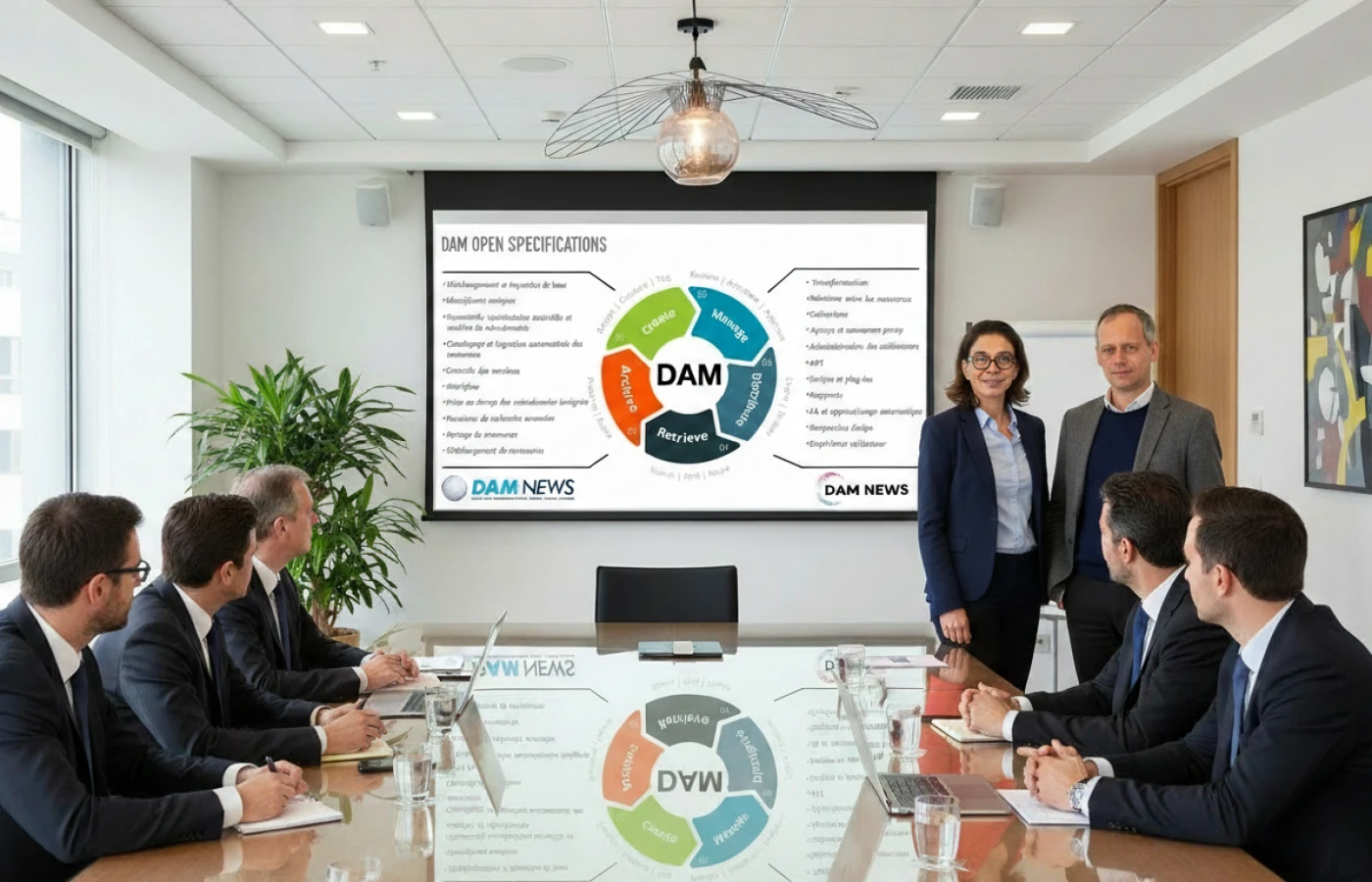
The limitations of standard digital asset management (DAM) tools become painfully obvious when marketing campaigns span multiple countries. Generic systems built for simple storage lack the multilingual metadata, governance, and workflow capabilities required for regional personalization, compliance, and brand consistency. This executive article breaks down the unique demands of multi‑country campaigns, maps the gaps in conventional DAM platforms, and outlines decision frameworks for selecting localized DAM software solutions for enterprise brands. Readers will gain a strategic blueprint for modernizing asset management to ensure global reach without sacrificing local relevance.
Multi‑country marketing campaigns have evolved into precision exercises in cultural nuance, legal compliance, and real‑time adaptation. Your brand must speak to audiences in different languages and contexts while maintaining consistent values and visual identity. At the same time, you need to orchestrate creation, approval, distribution, and analytics across time zones, regulatory regimes, and diverse technology stacks. Conventional digital asset management (DAM) tools were never built for this level of complexity. They excel at storage and simple sharing but fall short when asked to support dynamic, distributed marketing operations. In this article, we dissect the limitations of standard DAM tools for multi‑country marketing campaigns and outline how localized DAM software solutions for enterprise brands can close the gap.
Marketing across borders is more than translating copy. It involves adapting imagery, tone, and messaging to reflect local culture, values, and expectations. Legal requirements differ by region; regulations like the EU’s GDPR and emerging AI laws constrain how assets are stored, shared, and personalized. Assets must align with local holidays, currency, and product offerings. Teams spread across continents need to collaborate on campaign briefs, creative iterations, and approvals without confusion or delays. Governance processes must ensure brand consistency while allowing controlled customization. For enterprises, these challenges are amplified by the sheer volume of assets, the diversity of channels, and the requirement to prove ROI through analytics. Any system supporting multi‑country marketing must therefore handle complex metadata structures, granular permissions, automated workflows, and integration with translation management, product information management (PIM), content management systems (CMS), and analytics platforms.

Traditional DAM systems were designed primarily as centralized libraries. They provide folder structures, basic metadata, and download capabilities. This architecture is useful for storing and retrieving assets, but it does not address the realities of modern content operations. Standard DAM tools typically have the following weaknesses when applied to multi‑country campaigns:
The remainder of this article examines these limitations in detail and proposes strategies for overcoming them.
Before discussing solutions, it is important to understand how conventional DAM limitations manifest in multi‑country campaigns. Each subsection below maps a specific challenge to the demands of global marketing operations.
Localization is more than translation. Messaging must resonate with local customs, idioms, and social norms. A holiday campaign that works in Germany may be irrelevant in Japan. The images, colors, and symbols used in creative assets must align with cultural expectations. Legal requirements also influence content; for example, certain claims permissible in one country might be forbidden elsewhere. Standard DAM tools typically treat metadata as a single set of tags, lacking the nuance to capture cultural variations. They do not provide built‑in structures for regional descriptors, nor do they enforce consistent naming conventions that differentiate between localized versions. This leads to misaligned assets, off‑brand imagery, and lost time searching for the correct version.
Regulatory environments differ widely. Privacy laws like GDPR and CCPA dictate how personal data in images must be handled. Advertising standards vary in what claims and imagery are permitted. Accessibility requirements influence how text and images should be presented. Traditional DAM systems may store license information in a generic field but do not enforce region‑specific usage rules or track expiration dates across jurisdictions. Without automated rights checks, marketing teams risk deploying content that violates regional laws, resulting in fines or reputational damage.
When teams are distributed across continents, the asynchronous nature of work complicates collaboration. Creative reviews, legal approvals, and product updates often require sequential steps that cannot be completed in a single workday. In practice, teams resort to spreadsheets, email chains, and chat messages to track who approved what and when. Without built‑in collaboration tools, standard DAMs force teams into manual workarounds that slow down campaigns. Version confusion arises when different teams modify the same asset simultaneously, leading to delays and rework.
Global marketing relies on an ecosystem of tools: CMS for web content, PIM for product data, TMS for translations, CRM for customer insights, and analytics platforms to measure performance. Standard DAM solutions often operate as standalone repositories that require manual downloading and uploading of assets to other systems. This fragmentation leads to duplication, inconsistent data, and wasted effort. For example, a localized product image stored in the DAM may not automatically update in the ecommerce CMS, resulting in outdated content on regional websites. Integrations in generic systems often lack the depth to synchronize metadata, trigger workflows in external systems, or propagate updates across platforms.
Multi‑country campaigns generate large volumes of images, videos, and documents. High‑resolution creative files, localized versions, and channel‑specific formats increase storage and processing demands. Standard DAMs built on on‑premises infrastructure or single‑tenant architectures cannot easily scale to support concurrent global access. Upload and download speeds suffer when teams in Asia or South America access servers in Europe. Video transcoding for social channels, dynamic image resizing for web performance, and AI‑powered tagging all require scalable cloud‑native architectures that many legacy DAM tools lack.
A successful DAM initiative is not just about technology; it requires governance to define how assets are named, organized, approved, and retired. Without governance, teams create their own folder structures, naming conventions, and workflows, leading to chaos. Standard DAM platforms often provide minimal guidance or templates for governance. They may not support multi‑tiered permission models, brand compliance checkpoints, or region‑specific approval flows. When local teams perceive the DAM as a barrier to their work, they bypass it altogether, relying on personal drives or ad‑hoc systems that fragment content further.
Executive teams demand data to justify marketing investments. They need to know which assets perform best in different regions, what localization efforts drive engagement, and where bottlenecks occur in the creative process. Traditional DAM systems may log downloads or views but rarely provide region‑specific analytics, asset performance dashboards, or integration with marketing analytics platforms. Without these insights, companies cannot optimize content strategies or demonstrate ROI.
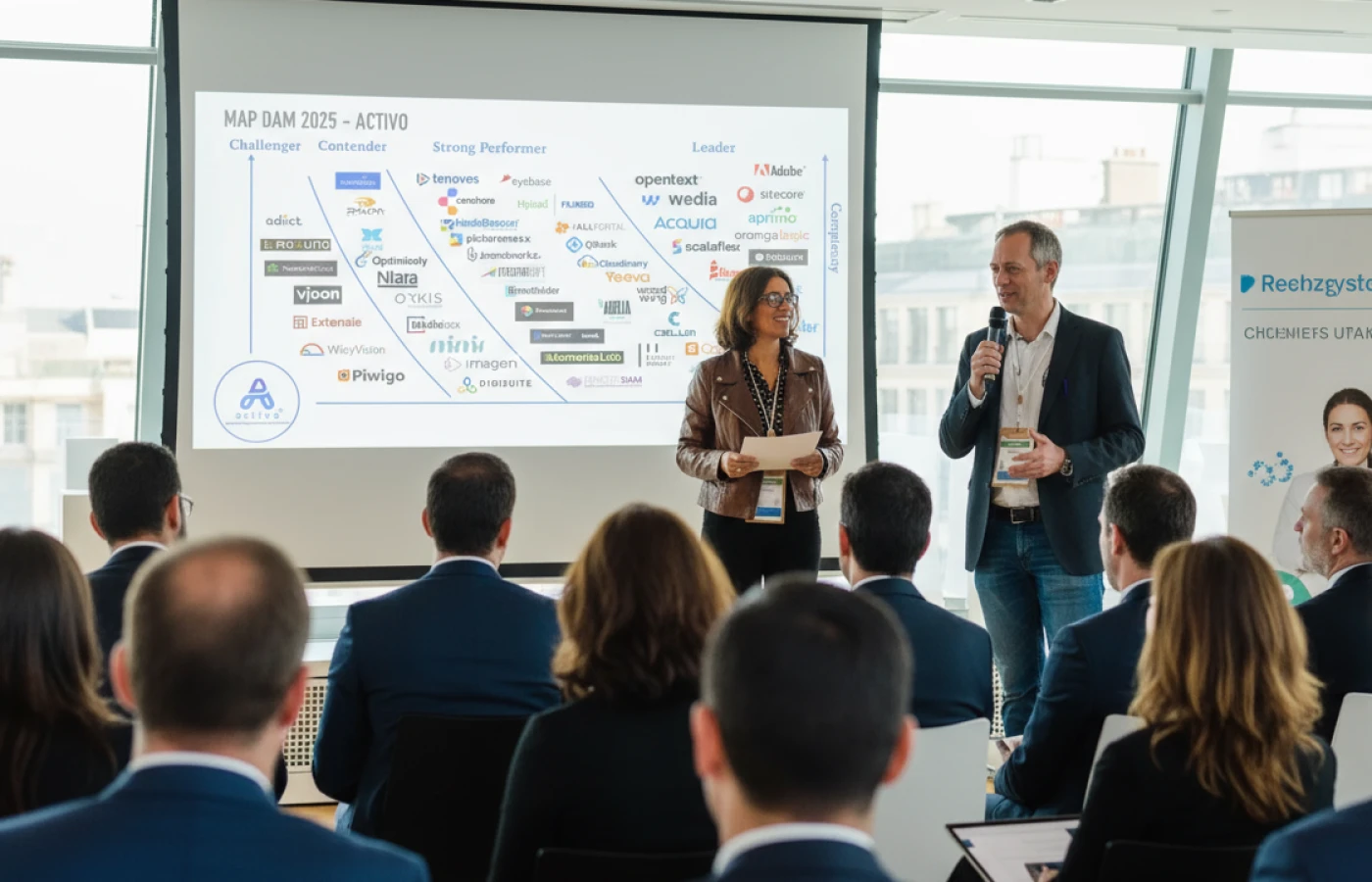
Now that we understand the weaknesses of standard DAM tools, let’s examine what localized DAM software solutions must offer to support enterprise brands. These capabilities form the blueprint for evaluating and implementing advanced systems.
A localized DAM must support multilingual metadata fields, enabling teams to store titles, descriptions, keywords, and taxonomies in different languages. Hierarchical metadata structures allow parent assets (the master creative) to connect with child assets (language or region variants), ensuring that updates to the master propagate appropriately. Auto‑tagging using AI can detect language, extract text from images, and suggest tags based on local terminology. These features accelerate searchability and reduce manual tagging burdens.
Effective localization is a workflow, not a one‑off task. DAM systems should integrate with translation management systems to automatically identify assets requiring translation, send them for localization, and import translated versions back into the repository. Region‑specific approval routes ensure that local marketing, legal, and compliance teams sign off on assets before publication. Workflow templates should be configurable to reflect different processes in each market while maintaining overall governance standards.
A sophisticated DAM platform tracks rights and compliance at a granular level. Rights metadata includes license type, approved territories, expiration dates, and usage limitations. Compliance features can restrict downloads if the license has expired or if the asset is not approved for a particular region. Integration with digital rights management (DRM) systems and legal databases automates the validation of usage permissions. Audit trails record who accessed, edited, or published assets, helping demonstrate compliance with regional laws.
Multi‑country campaigns require seamless movement of assets across systems. A localized DAM should provide connectors and APIs for CMS, PIM, TMS, marketing automation, creative tools, and analytics platforms. Metadata mappings ensure that product information, language codes, and regional attributes are synchronized. For example, when a new product image is uploaded, the DAM should push the correct localized version to the ecommerce platform with associated product data. Web‑to‑print and dynamic content services can pull branded templates directly from the DAM, enabling local teams to personalize materials without design expertise.
Modern DAM solutions leverage cloud infrastructure to scale storage and processing on demand. Cloud‑native architectures support high availability and performance, with content delivery networks (CDNs) ensuring fast download speeds across geographies. Video transcoding, image resizing, and AI tagging are handled in the cloud, offloading heavy processing from local devices. Multi‑tenant designs allow organizations to deploy environments for different brands or regions while sharing underlying infrastructure for cost efficiency.
Governance features should include configurable taxonomies, naming conventions, and approval workflows. Role‑based permissions enable fine‑grained control over who can view, edit, approve, or distribute assets. Region‑specific user groups ensure that teams only see assets relevant to their markets. Workflow rules can enforce that global brand guidelines are respected while allowing local variations. Dashboards and portals designed for different roles provide curated views, encouraging adoption by making the DAM relevant and easy to use.
To demonstrate ROI and improve content strategies, localized DAM platforms must offer analytics dashboards. These reports should track asset usage by region, channel, campaign, and version. Search analytics reveal which terms users enter most often and which assets are hard to find, informing metadata improvements. Workflow analytics highlight bottlenecks in localization and approval processes. Integration with marketing analytics platforms allows teams to correlate asset usage with engagement metrics, conversions, and revenue.
Enterprise brands operate under strict security requirements. A DAM system must protect sensitive intellectual property and personal data. Features include role‑based access controls, data encryption at rest and in transit, multifactor authentication, and single sign‑on integration. Audit logs provide traceability, while redundant backups and disaster recovery mechanisms ensure resilience. Importantly, the platform must support compliance with data residency laws, allowing organizations to choose the geographic location of storage.
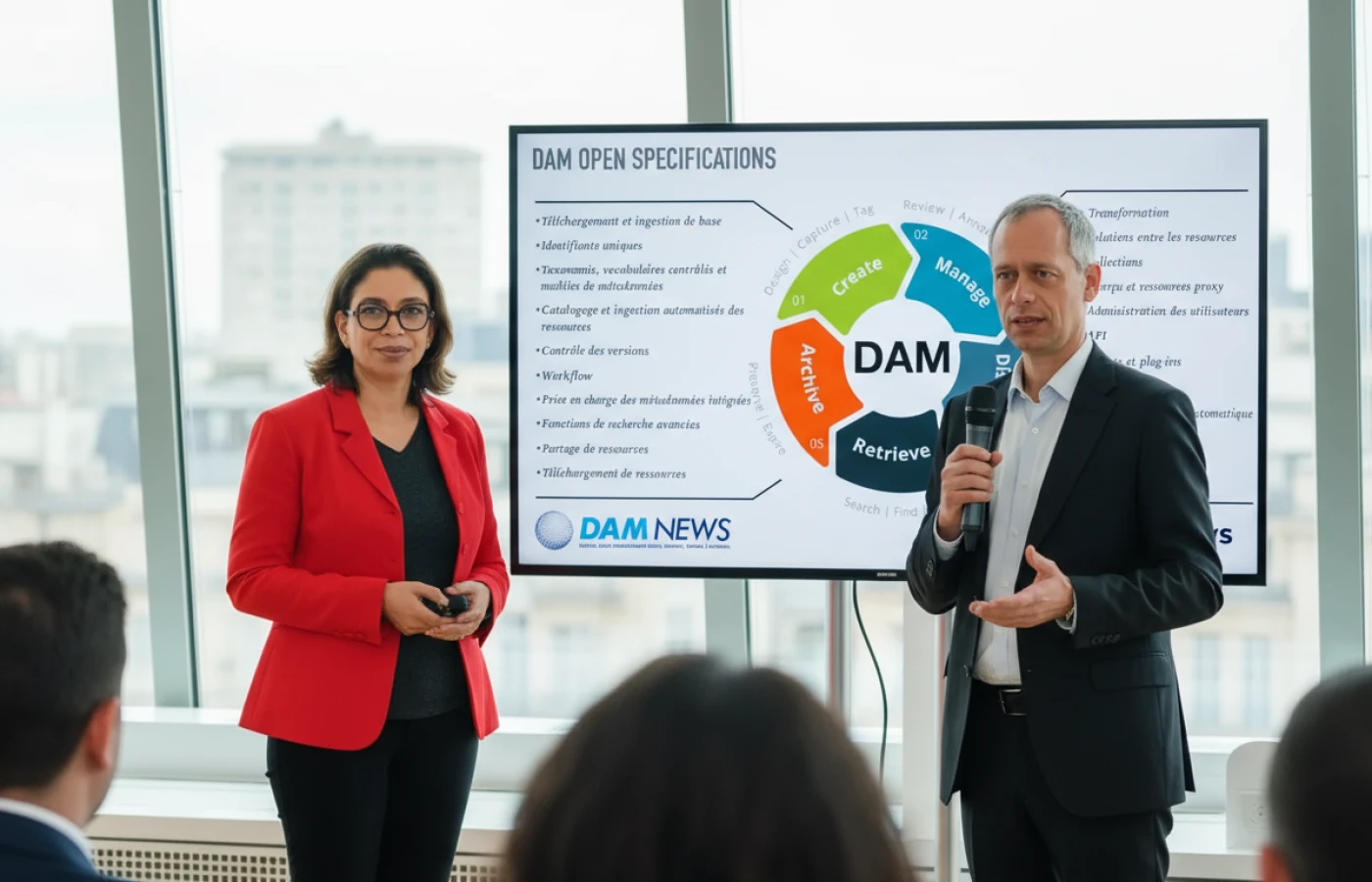
Selecting the right DAM for multi‑country campaigns requires structured evaluation. The following framework helps enterprise leaders assess potential solutions against their specific needs.
Begin with clarity about what the DAM must achieve. Is the goal to accelerate global campaign rollout, reduce localization costs, improve compliance, or all of the above? Identify the countries and regions involved, the volume of assets, and the channels you will support. Determine which internal teams (marketing, legal, product, IT) and external partners (agencies, translators, distributors) will use the system. Quantify existing pain points such as time spent searching for assets, number of re‑created assets, or compliance incidents.
Document how assets are created, localized, approved, and distributed today. Note where handoffs occur, which systems are involved, and where bottlenecks arise. Identify any existing DAM, CMS, PIM, TMS, or creative tools and how they interact. This process map will reveal integration requirements and highlight opportunities to streamline. Pay attention to informal processes that rely on spreadsheets or email; these often represent hidden complexity.
Translate the business objectives into functional requirements. For multi‑country marketing, these may include multilingual metadata support, localization workflow management, region‑specific rights tracking, integration with translation management, dynamic asset transformation, granular permissions, and analytics. Rank requirements by importance and map them to specific features. Consider future needs such as AI‑generated content or augmented reality assets; choose a platform that can evolve as technology advances.
Assess whether potential solutions are cloud‑native, microservices‑based, or monolithic. Evaluate scalability, performance, and deployment flexibility (public cloud, private cloud, hybrid, on‑premises). Analyze security measures, compliance certifications, and data residency options. For global campaigns, ensure the platform uses CDNs for fast asset delivery and supports multi‑region availability.
Examine the breadth and depth of integrations offered. Does the DAM connect natively with your CMS, PIM, TMS, and marketing automation tools? Are the APIs robust and well‑documented? Can you build custom integrations using webhooks or event streams? Evaluate how metadata will flow across systems and whether updates propagate automatically. Consider the vendor’s roadmap and openness to third‑party innovation.
Test the platform’s governance features: taxonomy management, workflow configurability, permission models, and audit trails. Check whether user interfaces can be customized for different roles, languages, and regions. Evaluate the ease of creating and managing localized portals or dashboards. The DAM should empower non‑technical users while still enforcing brand guidelines. Adoption hinges on whether the platform feels intuitive and relevant to daily work.
Budget goes beyond licensing fees. Account for migration, integration, training, customization, and ongoing maintenance. Compare on‑premises versus cloud models in terms of infrastructure and operational costs. Estimate potential ROI through time saved, reduction in asset duplication, faster campaign deployment, and decreased compliance risk. Use pilot projects to test assumptions and build a business case.
A proof‑of‑concept or pilot deployment in one or two regions allows you to validate assumptions. Involve representatives from different teams and regions, and iterate on governance structures, workflows, and integrations. Use pilot feedback to refine requirements and define a scalable roll‑out plan. Pilots also help build internal champions and provide tangible examples of success.
Once an appropriate platform is selected, the following strategies help enterprises overcome standard DAM limitations and fully realize the benefits of localized asset management.
Centralization does not mean one‑size‑fits‑all. Establish a single source of truth where master assets and metadata reside. From this hub, allow local teams to create regional variations within predefined templates and workflows. Central governance defines brand guidelines, naming conventions, and permission structures. Local flexibility allows adaptation of messaging, imagery, and details to match cultural and regulatory needs. Balancing central control with local empowerment fosters consistency and agility.
Invest in a metadata model that captures all relevant attributes: language, region, product category, campaign, rights, format, and status. Use controlled vocabularies and taxonomy hierarchies to ensure consistency. Include fields for regulatory approvals and expiration dates. Leverage AI to automate tagging and language detection, but always provide human oversight to correct and refine tags. A robust schema underpins searchability, rights management, and analytics.
Connect the DAM to translation management systems and design workflows that automate localization. When a new asset is uploaded or updated, the system should trigger translation tasks, track progress, and store localized variants under the appropriate parent. Approval workflows should route to local marketing, legal, and product teams before assets go live. Integrations with CMS and marketing automation ensure localized assets appear on the right channels without manual intervention.
Embed rights information into the metadata schema and enforce it through system rules. Require fields for license type, approved regions, usage restrictions, and expiration. Configure the DAM to prevent download or distribution when rights have expired or when regions are not authorized. Integrate with legal databases or contract management systems to update rights automatically. Use audit logs and reports to demonstrate compliance to regulators and internal stakeholders.
Adopt collaboration features such as real‑time commenting, task assignments, and annotations within the DAM. Implement version control that tracks changes and allows easy rollback. Provide dashboards that show the status of assets in localization workflows, including who is responsible for the next step. By consolidating communication within the system, teams can avoid scattered email threads and ensure that everyone works from the latest version.
Deploy the DAM on a cloud‑native platform to achieve global accessibility, elastic scalability, and integrated content delivery. Automate processes such as video transcoding, image resizing, and file format conversion, ensuring assets are ready for each channel and region. Use AI to generate multilingual metadata, detect duplicate assets, and recommend similar content. Automation frees creative teams to focus on high‑value tasks.
Technology adoption depends on governance policies and user education. Develop clear guidelines for asset naming, metadata entry, approval processes, and regional adaptations. Provide training tailored to different roles and regions. Appoint local champions who advocate for the system, help users, and relay feedback to the central team. Celebrate early successes and continuously refine processes based on user input.
Establish metrics to track efficiency, quality, and impact. Measure time saved searching for assets, speed of localization cycles, number of assets reused across markets, and compliance incidents avoided. Analyze which assets perform best in each region and adapt content strategies accordingly. Use search analytics to identify metadata gaps and adjust taxonomies. Review workflow analytics to identify bottlenecks and optimize processes. By treating the DAM as a data‑driven asset, organizations can make informed decisions and continuously improve.
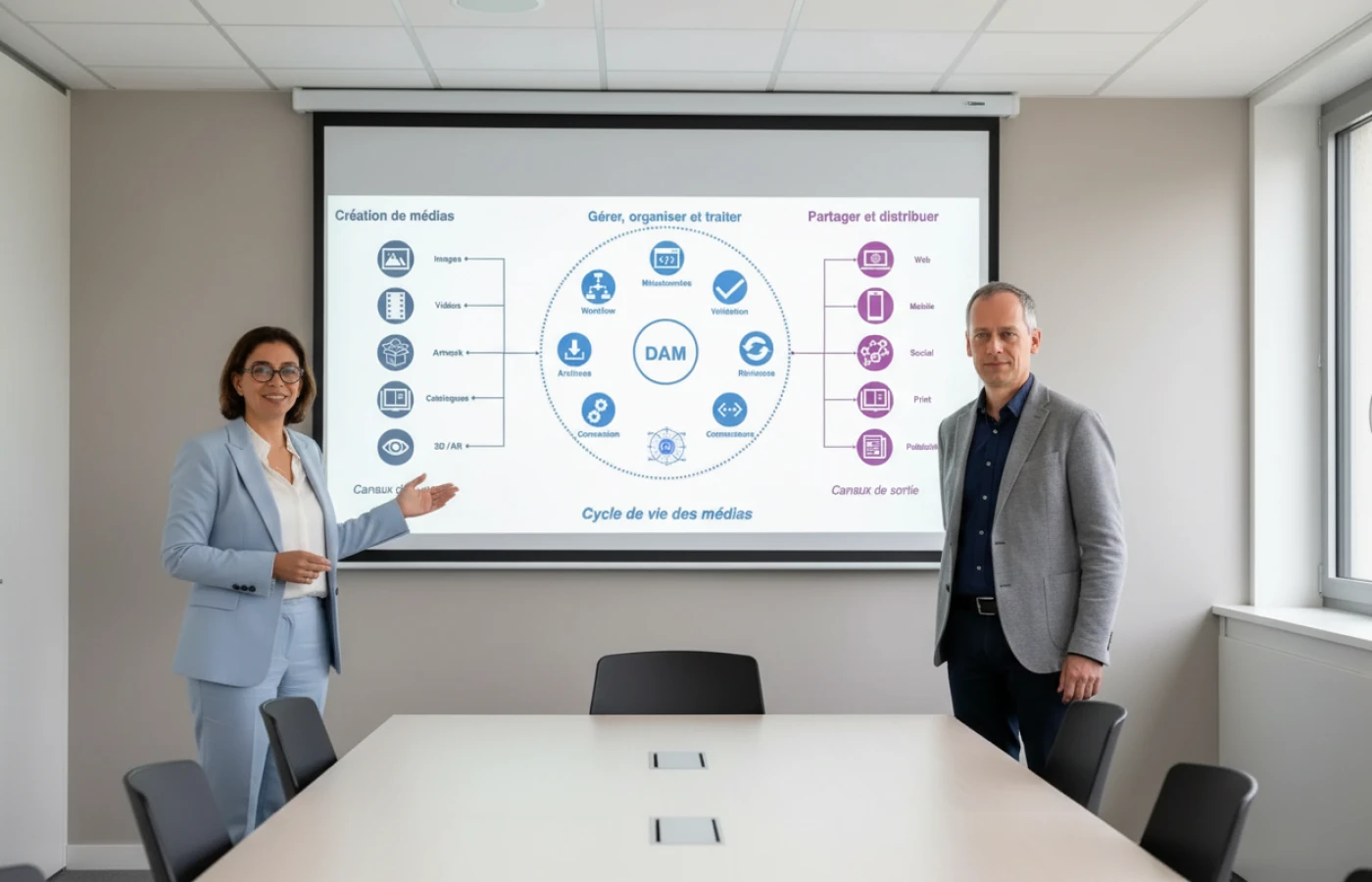
Launching a localized DAM solution across a multinational organization is a strategic transformation. The following roadmap provides a structured approach.
Standard DAM tools were built for an era when content was simpler, audiences were homogeneous, and campaigns were mostly linear. Multi‑country marketing campaigns expose the limitations of these systems, from insufficient metadata and workflows to inadequate governance and integration. To thrive in today’s global landscape, enterprise brands need localized DAM software solutions designed for scalability, cultural nuance, and regulatory complexity. By centralizing assets while empowering local teams, automating localization workflows, integrating rights management, and harnessing cloud‑native architectures, organizations can turn asset management into a competitive advantage. The journey requires careful planning, strong governance, and continuous improvement, but the rewards are clear: faster time to market, greater brand consistency, reduced compliance risk, and the agility to resonate with audiences across the world.

Interested in a joint project, a web demo or just getting to know us? We'll get back to you as soon as possible.
