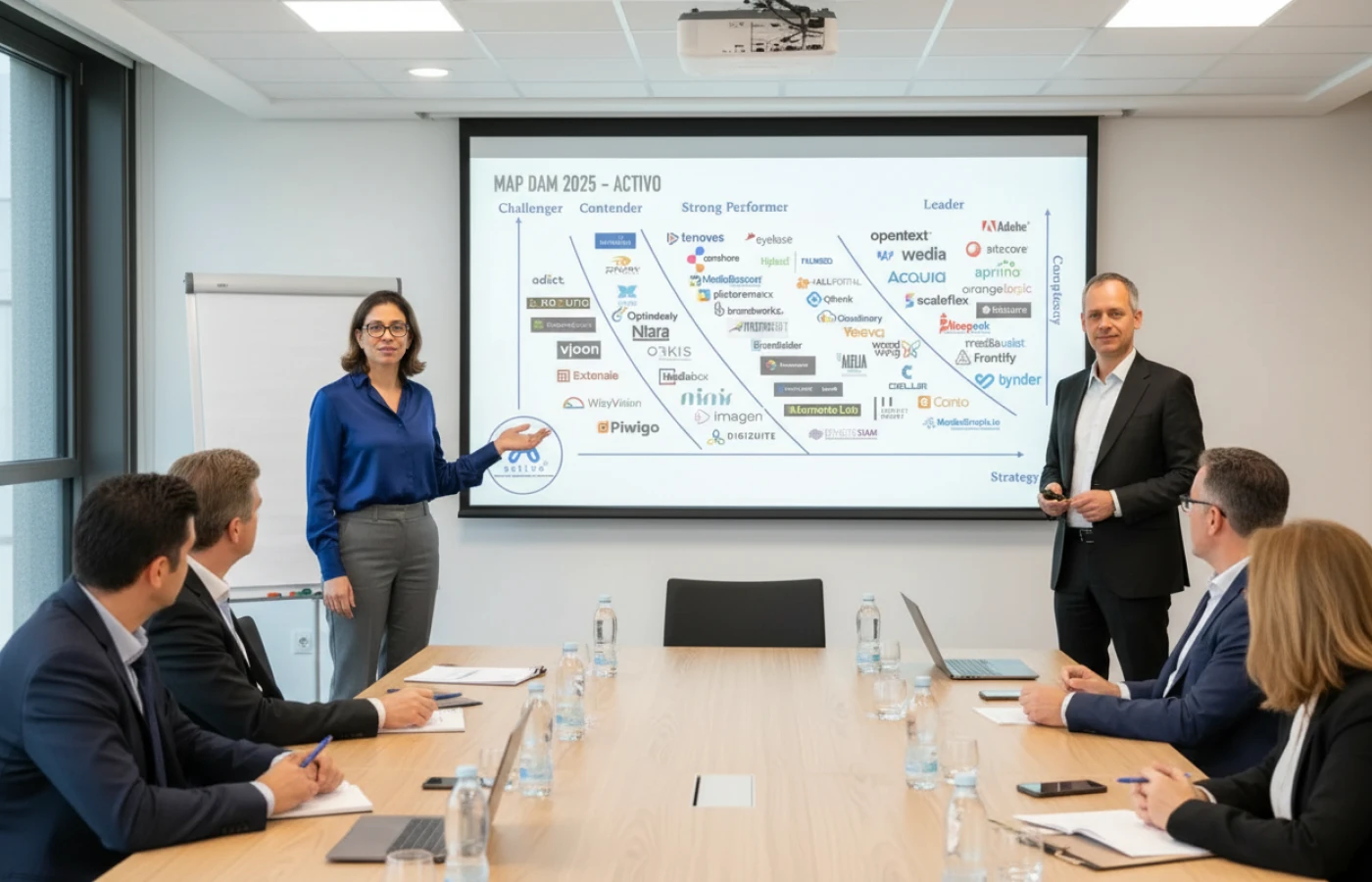
A digital asset management consultant is an independent expert who helps enterprises get the most value from their digital assets. They assess your content chaos, design metadata and workflows, guide DAM platform selection, and drive user adoption and governance. Engaging a DAM consultant when your asset library is disorganized, underutilized, or due for an upgrade can save time, boost ROI, and ensure your DAM strategy is sustainable across the organization.
A Digital Asset Management (DAM) consultant supports organizations through the entire lifecycle of digital asset management: from early-stage planning and strategy through platform implementation and ongoing optimization. Unlike implementation teams that are tied to a specific vendor, a DAM consultant takes a vendor-neutral, strategic approach.
Key responsibilities include:
Assessment and Strategy: The consultant begins by evaluating your current digital asset landscape — how files are stored, how workflows operate, and where issues like slow searches or version confusion occur. They collaborate with stakeholders across marketing, creative, IT, and governance to clarify goals, map key use cases, and define KPIs. From this, they build a business case and ROI model that shows the value of improving asset management. This strategic foundation ensures alignment around objectives such as faster content delivery, greater asset reuse, and reduced compliance risk.
Vendor-Neutral Platform Selection: With many DAM systems on the market, choosing the right one can be challenging. A DAM consultant evaluates platforms impartially, defining your requirements, preparing structured selection criteria or an RFP, and shortlisting the best-fit options. They also run scripted proof-of-concept tests using your real assets and workflows, scoring each system based on performance rather than sales demos. This objective approach ensures you select a DAM platform that truly meets your needs and delivers measurable value.
Metadata and Taxonomy Design: After the DAM platform is chosen, the consultant creates the structures that make assets easy to find and use. This includes defining a metadata schema, setting naming conventions and controlled vocabularies, and building a clear taxonomy or folder structure. The aim is to eliminate inconsistent or missing tags and ensure assets are searchable, organized, and reusable. They may also set metadata rules — such as required fields or auto-tagging — to keep the system clean and consistent over time.
Workflow and Process Optimization: A DAM consultant reviews how assets move through your organization — from creation to approval, distribution, and archival — and identifies bottlenecks or redundant steps. They then design streamlined, end-to-end workflows supported by the DAM, such as replacing email-based reviews with built-in collaboration tools or standardizing how new assets are added with proper metadata. They also ensure the DAM’s roles, permissions, and versioning settings match the optimized processes. The outcome is a smoother, more connected operation where teams know exactly how assets should be created, approved, found, and used.
Integration Planning: A DAM consultant determines how the system should connect with other platforms — such as PIM, CMS, e-commerce, creative tools, or ERP — so assets flow consistently across your ecosystem. They identify which data needs to move between systems and plan the best integration method, whether via APIs, plug-ins, or middleware. Effective integration ensures the DAM becomes a central source of truth, eliminating silos and keeping all channels up to date automatically when assets change.
Change Management and Training: Rolling out a new DAM requires people to change how they work, so driving adoption is essential. A consultant leads this effort by creating a clear change management plan, identifying internal “DAM champions,” and providing role-based training for all user groups. They supply user guides and standard processes to ensure assets are uploaded, tagged, and found correctly. By communicating benefits and supporting users through go-live, the consultant helps overcome resistance and ensures the DAM becomes a fully adopted daily tool rather than something people avoid.
Governance and Ongoing Optimization: Effective DAM is an ongoing effort, not a one-time setup. A consultant establishes governance structures by defining roles, responsibilities, and policies for asset management, rights control, and metadata standards. They set up regular maintenance routines, review cycles, and KPIs such as search success, asset reuse, and user activity. With continuous monitoring and periodic health checks, the consultant helps identify issues, guide improvements, and ensure the DAM remains organized, compliant, and aligned with evolving business needs over time.
A DAM consultant brings strategic insight, cross-industry experience, and technical know-how to ensure the DAM becomes a business-critical system — not just a file repository.
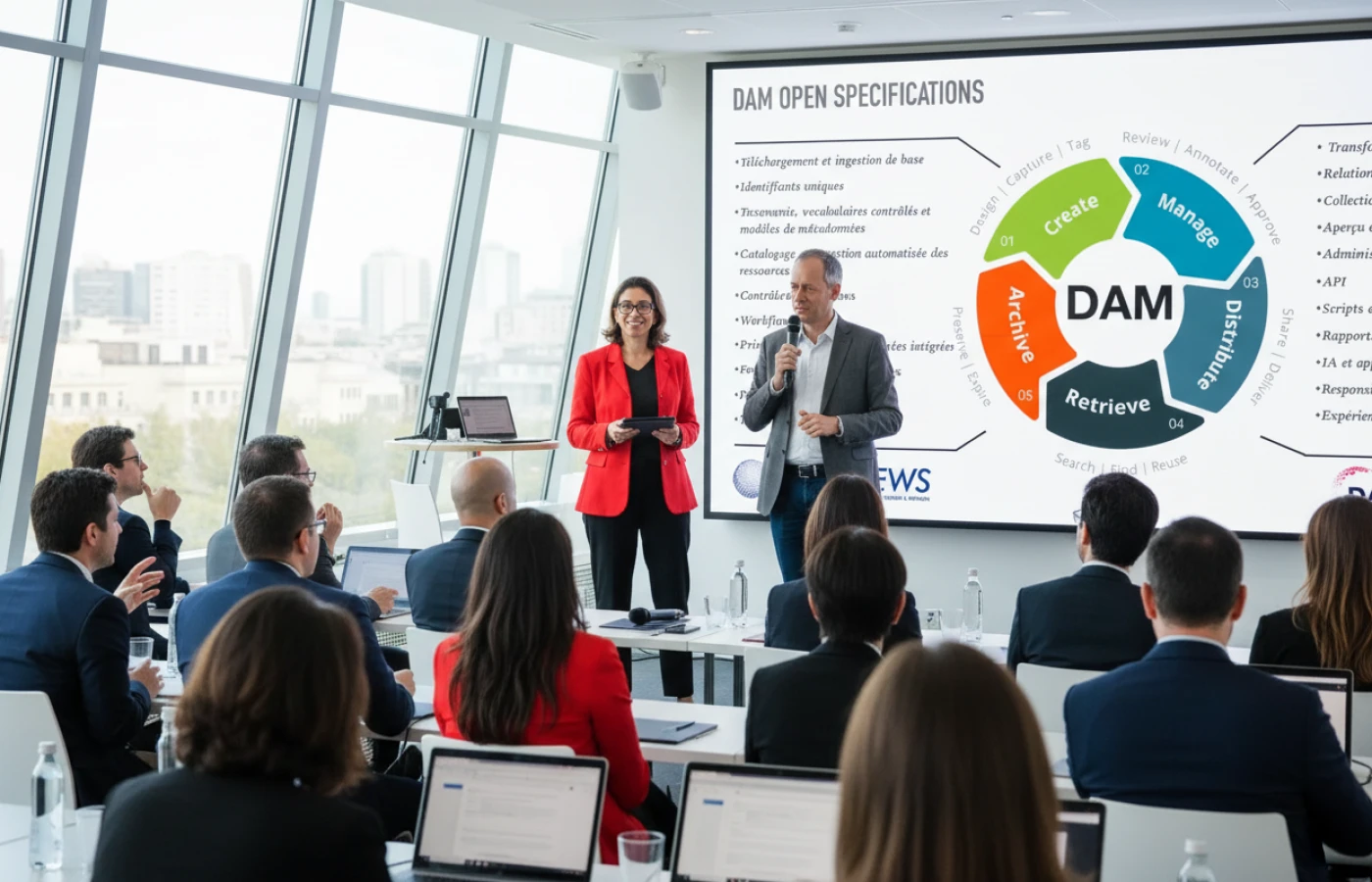
Organizations that launch DAM without proper guidance often encounter serious pitfalls:
By contrast, companies that invest in a structured DAM strategy and involve expert consultants early see faster ROI, greater consistency, and long-term adoption.
At the heart of every DAM system is metadata — the information that describes, classifies, and contextualizes assets. Metadata determines whether users can find what they need, and how efficiently they can use it.
Consultants develop metadata schemas tailored to your organization’s content types and search needs:
They also implement taxonomies, facets, filters, and controlled vocabularies to standardize tagging. This reduces ambiguity and increases search precision.
Example: A cosmetics brand managing 10,000+ product images needs to differentiate between product hero shots, campaign visuals, packaging renders, and retailer-specific adaptations. Without structured metadata, reuse is nearly impossible.
Metadata doesn’t maintain itself. A DAM consultant establishes governance to ensure long-term data quality:
They help appoint metadata stewards per department or market. Consultants also implement periodic audits and dashboards to track completeness, accuracy, and tag usage trends.

A DAM consultant approaches UX not as interface design, but as the end-to-end user journey:
Consultants often run card sorting or tree testing to structure navigation. They help configure dashboards, saved searches, smart collections, and upload presets that match real-world workflows.
They may even create personas or user stories to ensure the DAM supports diverse use cases — from social media managers to localization leads.
In modern enterprises, DAM is more than a storage system — it’s a hub in the content supply chain. Consultants help position DAM within a broader ecosystem:
Consultants ensure that DAM doesn’t operate in a vacuum. It must push and pull data in real-time to support multichannel marketing.
DAM consultants work closely with IT and enterprise architects to ensure scalability, security, and flexibility. They assess:
They define the integration flows — e.g., pushing updated images from DAM to CMS via API, or syncing product data from PIM to enhance metadata.
They document triggers, field mappings, and error handling protocols. The result is a connected, resilient DAM ecosystem.
Low adoption is the #1 reason DAM projects fail. A consultant helps overcome resistance by crafting a structured change management plan:
Consultants track adoption via login frequency, search success, asset uploads, and help desk tickets.
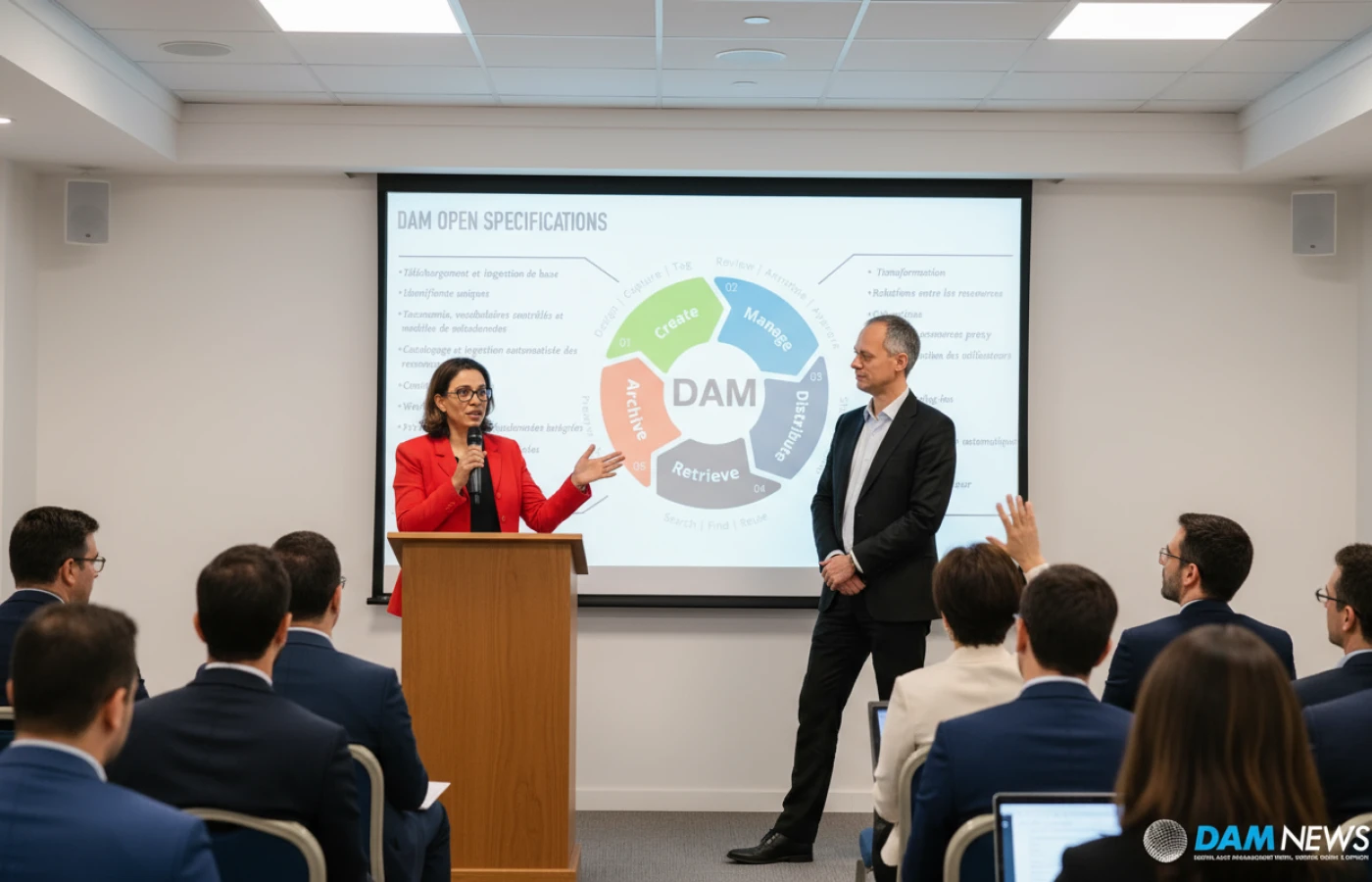
Retail & E-Commerce
In retail, brand consistency and speed-to-market are paramount. DAM consultants help manage high volumes of assets for product launches, campaigns, and promotions across multiple channels. They enable integration between DAM and PIM systems to ensure the right images, videos, and product visuals reach webshops, apps, and marketplaces. Consultants also configure metadata to support filtering by region, language, or seasonal campaign, and streamline workflows to manage frequent content updates.
Pharmaceuticals & Life Sciences
Regulatory compliance and auditability are key. DAM consultants implement strict rights metadata and approval workflows involving legal and medical reviewers. They ensure that all content is traceable, version-controlled, and can be pulled from audit logs instantly. In global pharma contexts, consultants enable localized packaging content, training materials, and mechanism-of-action visuals to be stored, reviewed, and distributed securely.
Manufacturing & Industrial
Manufacturers must manage vast libraries of technical documentation, CAD files, installation guides, and safety data. A DAM consultant helps model metadata to support product hierarchies, part compatibility, and versioning. They also ensure assets are linked to PIM records and integrated with distributor portals or internal sales tools.
Publishing & Media
In fast-paced editorial environments, consultants optimize DAMs to support multi-format production workflows — managing article drafts, layouts, rights-cleared visuals, and distribution versions (print, app, web). They configure lifecycle rules and metadata to manage embargoes, publication status, and contributor attributions.
Fashion & Luxury
DAM consultants in fashion help brands manage visual storytelling across geographies and media types. They implement metadata for collection season, color, style, influencer usage, and embargo dates. Consultants often plan integrations with creative suites and e-commerce platforms to automate asset reuse and ensure style consistency.
Cultural Institutions
Museums, archives, and galleries rely on rich metadata to describe artifacts, exhibitions, and digital reproductions. Consultants define descriptive taxonomies, public/private access roles, and digitization workflows. They also configure export formats for online catalogs or educational platforms while maintaining preservation-quality versions.
Start with Clear Objectives
Before engaging a consultant, define what you aim to achieve. Is it better asset findability, global brand control, compliance, or faster time-to-market? Having measurable goals (e.g. reduce asset search time by 50%, increase reuse rate by 30%) gives the consultant a clear success framework.
Engage the Right Stakeholders Early
DAM impacts many roles — from marketing and brand to legal, product, and IT. Invite representatives from key departments into workshops and decision-making. This not only builds better solutions, but fosters ownership and long-term adoption.
Prioritize High-Impact Use Cases First
Avoid trying to “boil the ocean.” Focus initial efforts on use cases with high visibility and measurable impact — like e-commerce imagery or marketing campaign distribution. Deliver quick wins to build momentum.
Build for Scale and Flexibility
A good DAM structure today should still work tomorrow. Consultants help future-proof your metadata model, folder structures, and governance by keeping them modular, extensible, and easy to manage as your business evolves.
Focus on Change Management, Not Just Technology
People, not systems, determine DAM success. Make training, communication, and adoption a priority from day one. Empower super users, build internal advocates, and celebrate adoption milestones.
6. Review and Iterate
Even the best-designed DAMs need adjustment. Consultants recommend scheduling quarterly or bi-annual health checks to review metadata usage, governance adherence, search analytics, and user feedback. Continuous improvement keeps the system effective and trusted.
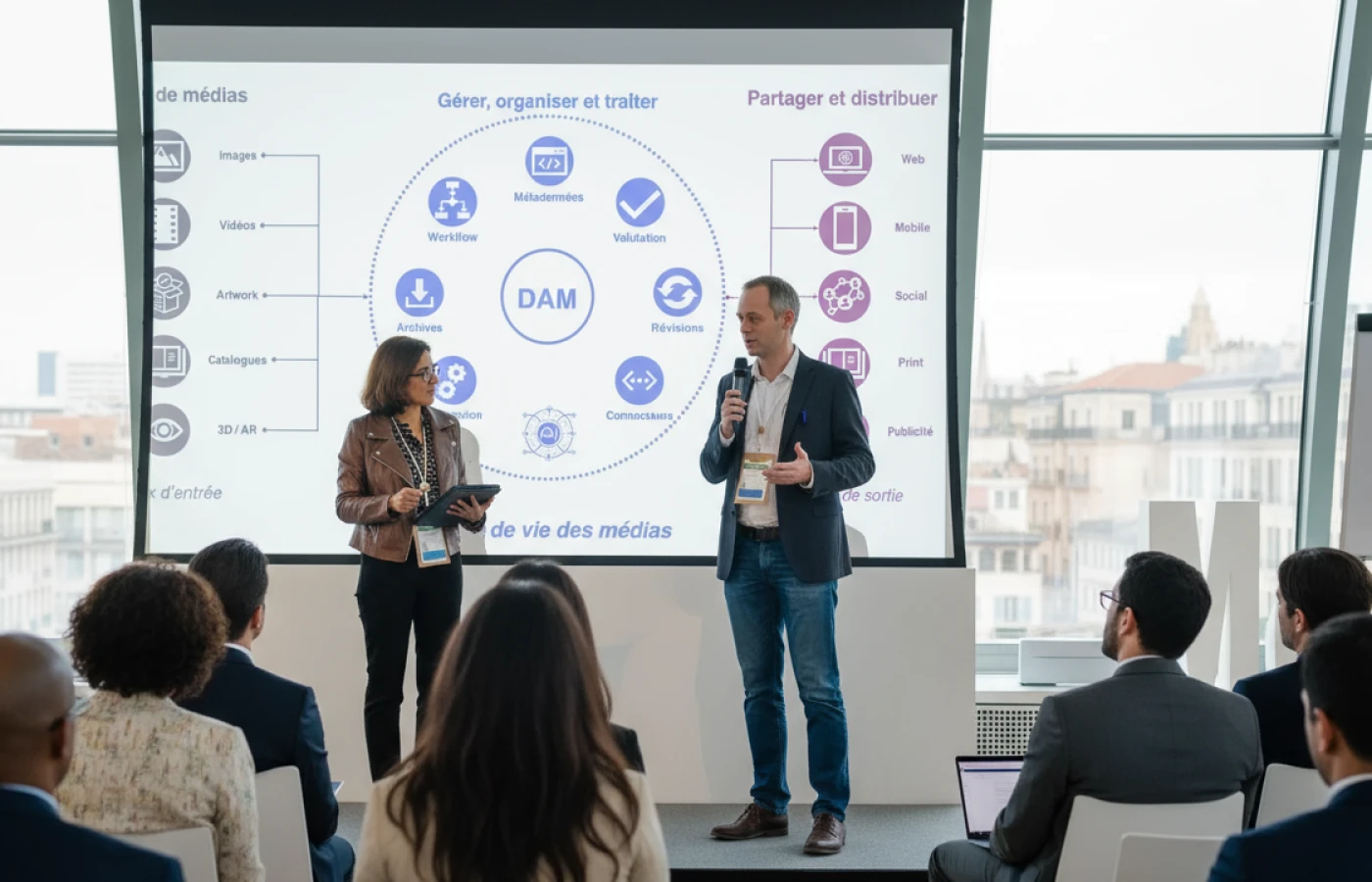
Engaging a DAM consultant isn’t just about launching a system — it’s about delivering measurable business value. Here are the most important metrics and KPIs companies should use to measure the success of their DAM initiative:
Asset Findability
Asset Reuse & Efficiency
Adoption & Usage
Workflow Speed
Metadata & Governance Health
Strategic Alignment & ROI
Governance Adherence
A DAM consultant helps establish these KPIs upfront, benchmarks current performance, and implements dashboards or reports to monitor ongoing progress.
A digital asset management consultant does more than implement software — they bring strategy, structure, and scalability to your content operations. By helping organizations define metadata, streamline workflows, align platforms, and drive adoption, a DAM consultant turns disorganized file chaos into a high-performing content engine.
Whether you're launching a DAM for the first time or trying to fix one that failed, their expertise bridges the gap between vision and execution. With the right guidance, DAM becomes more than just storage — it becomes a strategic asset that saves time, boosts creativity, ensures compliance, and supports your entire digital ecosystem.
Engaging a DAM consultant isn’t just a project decision — it’s a business decision. One that can elevate how you create, manage, and deliver content at scale.
What does a DAM consultant do that a vendor doesn’t?
A DAM vendor focuses on selling and implementing their own system. A DAM consultant focuses on your business — helping you define your strategy, select the right platform (vendor-neutral), optimize metadata and workflows, train users, and govern the system over time.
When should we bring in a DAM consultant?
The earlier, the better. Ideally during the planning or discovery phase — before you select a tool. But consultants are also valuable during re-implementations, audits, restructures, or post-launch optimizations.
Can a consultant help fix a struggling DAM system?
Absolutely. Many DAMs fail due to poor metadata, unclear workflows, or low user adoption — not the tool itself. Consultants can conduct a health check and redesign your taxonomy, governance, or processes to get the system back on track.
How long does a typical DAM engagement last?
It depends on the scope. A discovery audit might take 3–6 weeks. A full implementation roadmap, platform selection, metadata model, governance, and change management program may take 3–6 months. Some companies keep consultants on retainer for periodic reviews.
What internal roles are required to support a DAM consultant?
Ideally, you assign a project owner, IT/marketing/brand leads, and regional or departmental stakeholders. Consultants also recommend establishing roles like DAM admin, metadata steward, and content owners to sustain success after launch.

Interested in a joint project, a web demo or just getting to know us? We'll get back to you as soon as possible.
