
Product Information Management (PIM) consulting helps organizations turn fragmented, inconsistent product data into a structured, scalable system. Consultants guide strategy, platform selection, data modeling, and adoption to improve accuracy, efficiency, and time-to-market—laying the foundation for omnichannel growth and long-term success.
In digital commerce today, managing product content is both essential and increasingly complex. Enterprises handle thousands of SKUs, specs, images, and descriptions that must be consistent across e-commerce sites, apps, catalogs, and marketplaces. Without a unified system, data becomes fragmented — spread across ERP systems, spreadsheets, and supplier files — resulting in errors and inefficiencies.
Product Information Management (PIM) consulting addresses this challenge. Consultants help companies structure and centralize product data into a single source of truth and streamline how it's enriched, approved, and published across channels.
PIM consulting falls under the broader umbrella of master data management (MDM), but with a focused mission: aligning product data strategy with business goals. It has become vital as businesses face rising demands for rich, accurate product content at scale.
This article outlines the value of PIM consulting — from key consulting activities and integration approaches to the business benefits and industry-specific applications that make product information a true competitive asset.
Product Information Management (PIM) consulting helps organizations plan, implement, and optimize how they manage product data. A typical engagement begins with assessing the current content landscape and ends with a centralized, scalable PIM system that ensures product data is accurate, consistent, and easy to maintain across channels.
PIM consultants combine technical system knowledge with workflow expertise to bridge the gap between fragmented legacy processes and streamlined, future-ready operations. They guide businesses through system selection, implementation, and data governance to treat product information as a strategic asset.
The demand for PIM consulting has grown sharply due to three trends:
Consultants uncover and address data quality issues early — before they derail implementations. Many organizations discover high volumes of incomplete or duplicate records when attempting a PIM rollout. A structured, expert-led approach dramatically increases the likelihood of success.
In short, PIM consulting empowers companies to transform fragmented product data into a unified, trusted foundation that fuels efficiency, consistency, and growth across commerce operations.

A Product Information Management (PIM) consultant guides organizations through their entire PIM journey — from initial assessment to full implementation and adoption. The role combines strategy, project management, systems architecture, and training.
At the strategic level, consultants clarify business goals (e.g., faster time-to-market, better data quality, e-commerce readiness) and translate them into a concrete plan. They assess existing systems, identify gaps, and design processes, governance structures, and data models tailored to the business’s needs.
Practically, consultants audit product data across ERP systems, spreadsheets, supplier feeds, and more. They uncover issues like duplicate records, inconsistent attributes, or outdated workflows. Based on this, they build a business case and roadmap that includes PIM platform selection, implementation, and data governance.
During implementation, they help design integration architecture, guide data migration, and support testing to ensure system performance. They also lead change management — creating training, involving key users early, and setting feedback loops to foster adoption.
A key part of success is cultural: consultants help teams transition from spreadsheets to structured systems and ensure processes stick post-launch. They prevent scope creep, coordinate stakeholders, and keep the project aligned with its original goals.
In short, a PIM consultant ensures the new system is not only technically sound, but also widely adopted, sustainable, and delivering measurable value.
Organizations embark on PIM initiatives to fulfill key strategic goals that align with broader business objectives. At a high level, implementing a PIM system is a means to achieve better efficiency, consistency, and agility in managing product content – which in turn supports revenue growth and customer satisfaction. Some of the common strategic goals driving PIM projects include:
While priorities may vary by industry, these outcomes form the foundation of most PIM business cases. A consultant’s role is to clarify which goals matter most and align every phase of the initiative to them — keeping strategy front and center.
While PIM offers clear benefits, implementation comes with real-world hurdles. Recognizing these early helps avoid delays and setbacks.
Poor Data Quality: Product data is often scattered, incomplete, or inconsistent. Consolidating and cleaning data from ERP, spreadsheets, and supplier sources is time-consuming — but essential. Without data readiness, a PIM rollout can fail before it begins.
Complex System Integration: PIM must connect to multiple systems (ERP, CMS, e-commerce, etc.). Integrations are often more complex than vendors suggest, requiring careful mapping, middleware, and testing to ensure data flows correctly and stays synchronized.
User Resistance: Change is difficult. Employees may cling to spreadsheets or distrust a new system. Without strong communication, training, and leadership support, adoption stalls. Early involvement of end-users and quick wins help build momentum.
Scope Creep & Unclear Requirements: When too many features or integrations are added mid-project, costs and timelines spiral. A lack of clear objectives or prioritization also leads to misaligned results. Effective governance keeps scope realistic and focused.
Weak Governance & Compliance: After go-live, maintaining product data quality requires consistent processes and oversight. If workflows aren’t followed or roles aren’t defined, data degrades. Some industries must also meet strict compliance standards, making governance even more critical.
Successful PIM isn’t just about the tool—it’s about people, processes, and disciplined planning. Consultants help navigate these pitfalls through audits, integration planning, and change management strategies, ensuring the system delivers long-term value.
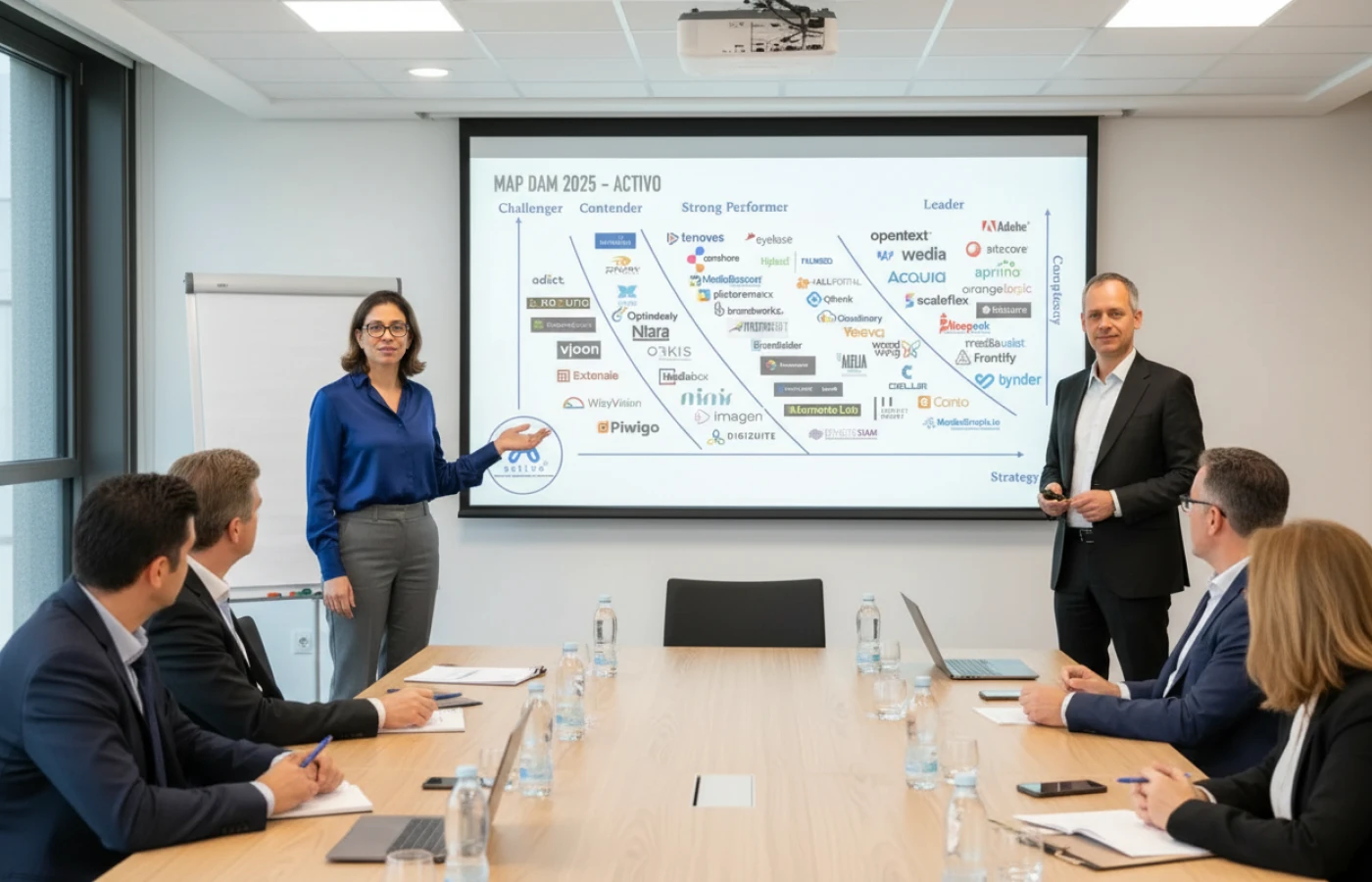
When an organization engages a PIM consulting firm or specialist, what specific services can they expect? PIM consulting typically encompasses a suite of services that cover the entire lifecycle of a product information management initiative – from early-stage planning through go-live and beyond. Here are the core consulting services often provided, each addressing a critical component of a successful PIM project:
Before implementing PIM, consultants begin with a product data audit to understand the current state. They assess all data sources — ERP, PLM, spreadsheets, vendor portals — and evaluate completeness, consistency, and structure.Typical issues include missing images, duplicate records, inconsistent attributes, and outdated descriptions. This audit provides a clear baseline and highlights gaps in data and workflows. It also includes stakeholder interviews to uncover operational pain points. The result is a structured assessment that answers: “Where are we now?”—and sets the foundation for targeted improvements.
Following the data audit, consultants assess how ready the organization is for PIM. They evaluate leadership support, data quality, existing standards, and technical integration capabilities.The outcome is a practical roadmap that outlines necessary preparation steps — such as cleaning key data fields or establishing governance roles. This phase ensures the initiative aligns with business goals and sets measurable success criteria. By defining scope, timeline, and priorities early, consultants help prevent misalignment and the common pitfall of launching without a clear plan.
A core task in any PIM project is designing the data model — how product information is structured, categorized, and related. Consultants define entities (e.g., products, variants), their attributes (e.g., size, material, certifications), and how they connect (e.g., kits or bundles).They tailor the model to industry-specific needs — such as size variants in fashion or technical specs in B2B—and ensure it’s flexible enough to scale. A key part of this is taxonomy: organizing products into logical categories and assigning relevant attributes to each type.By aligning structure, terminology, and relationships, consultants create a blueprint that supports usability, search, syndication, and long-term content quality. Getting this right ensures the PIM can support both internal workflows and external customer experiences.
Without a governance framework, even the best PIM system will degrade over time. Consultants establish clear roles and rules: who owns product data, who approves changes, and how quality is maintained. They define required fields, naming conventions, and review cycles, and help draft governance policies and RACI charts. This ensures consistency, accountability, and clarity across teams. Governance also covers compliance — ensuring that data meets regulatory and privacy standards, and that sensitive or industry-specific requirements are addressed. Consultants configure workflows in the PIM to enforce these rules, so no product goes live without proper review. The result: a sustainable structure that keeps product data accurate, compliant, and scalable long after the project ends.
Choosing the right PIM software is a pivotal decision. Consultants guide this process with vendor-neutral expertise, helping define clear functional, technical, and business requirements. They create structured evaluation tools like scorecards and shortlist vendors based on fit — considering factors such as scalability, industry focus, integration flexibility, and total cost of ownership. Their independence ensures unbiased comparisons and critical evaluation of vendor claims. Consultants also coordinate demos and proof-of-concepts to test how each platform performs with real scenarios. They may assist in contract negotiations to secure favorable terms. The outcome: a confident platform choice aligned with business needs — avoiding costly missteps and setting the stage for long-term success.
Once a PIM platform is selected, implementation begins — and consultants often play a key role in overseeing it. They act as project managers on the client’s side, ensuring timelines, requirements, and quality standards are met. Consultants validate system configuration, review integration plans, and facilitate collaboration between the client’s IT team and vendor developers. They troubleshoot issues, monitor progress, and ensure the solution aligns with the original business goals. They also guide testing and user acceptance processes, verify data accuracy post-migration, and support documentation efforts. For teams with limited internal capacity, consultants may assist directly with configuration or bring in technical experts. By providing structure, communication, and quality control, consultants help avoid delays and ensure the PIM launch delivers real business value — not just technical completion.
Successful PIM adoption depends on people, not just technology. Consultants lead change management from the start — identifying how teams will be affected, crafting communication plans, and building internal buy-in. They support leadership messaging, set up user groups, and develop training materials tailored to each role. Hands-on sessions, sandbox environments, and phased rollouts help users build confidence. After go-live, consultants monitor adoption metrics, support feedback loops, and coach teams through resistance. Celebrating early wins reinforces momentum. Ultimately, their goal is cultural shift: making structured product content management part of how the organization works long-term.
In summary, PIM consulting services cover a comprehensive range – from initial evaluation of needs all the way to training users. Some companies might engage a consultant for only part of this (for example, just to help select software, or just to audit and recommend a strategy). However, the greatest value often comes from leveraging consultants across all these areas, ensuring continuity and expert guidance throughout the transformation. Next, we’ll look at how a PIM solution fits into the larger enterprise systems landscape – in particular, how it integrates with other key systems like DAM, ERP, CMS, and e-commerce platforms, which is another area where consultants provide crucial support.

Modern PIM solutions do not exist in isolation; they function as part of a broader enterprise architecture. A key aspect of PIM consulting is planning and executing integrations between the PIM system and other tools in the ecosystem, such as Digital Asset Management (DAM) systems, Enterprise Resource Planning (ERP) software, Content Management Systems (CMS), and e-commerce platforms. Effective integration is what allows the PIM to serve as the central hub of product content, ensuring data flows smoothly from one system to another without manual intervention. As one source notes, PIM integration “enables smooth data flow between DAM, ERP, and CMS platforms and e-commerce marketplaces,” whereas without it, data silos lead to inefficiencies and outdated information. In this section, we explore how PIM connects with each of these key systems and why those integrations are valuable.
Integrating Product Information Management (PIM) with Digital Asset Management (DAM) connects structured product data with the rich media that brings it to life — images, videos, documents, and more. This integration creates a centralized hub where product specs and visuals stay in sync. When a product is updated in the PIM, corresponding media in the DAM can be automatically linked and published across all channels — ensuring consistency and saving time. Consultants typically implement this using APIs or built-in connectors. Best practices include aligning metadata (e.g., using shared product IDs) to link assets accurately.The result: faster content updates, fewer manual errors, and a unified customer experience where text and visuals are always aligned.
Integrating Product Information Management (PIM) with Digital Asset Management (DAM) connects structured product data with the rich media that brings it to life — images, videos, documents, and more. This integration creates a centralized hub where product specs and visuals stay in sync. When a product is updated in the PIM, corresponding media in the DAM can be automatically linked and published across all channels — ensuring consistency and saving time. Consultants typically implement this using APIs or built-in connectors. Best practices include aligning metadata (e.g., using shared product IDs) to link assets accurately. The result: faster content updates, fewer manual errors, and a unified customer experience where text and visuals are always aligned.
Integrating a Product Information Management (PIM) system with a Content Management System (CMS) ensures that rich product data is delivered seamlessly to websites and digital touchpoints. In headless or modern CMS setups, product data can be pulled from the PIM in real time via APIs. In other cases, the PIM pushes updates directly to the CMS. Either way, this eliminates manual copy-paste tasks and ensures consistency across pages. When a product spec or attribute changes, the update flows from PIM to the website automatically — reducing errors and ensuring customers always see the latest information. This integration increases agility, supports omnichannel publishing, and lets content teams focus on creative work while product data stays synchronized across platforms.
Integrating PIM with e-commerce platforms ensures that product content is accurate, up to date, and ready for every sales channel — whether it’s your online store, a mobile app, or a marketplace like Amazon. Product data flows from the PIM into e-commerce systems via APIs or data feeds, automating updates and eliminating manual entry. This speeds up time-to-market and guarantees consistency across platforms. A key feature of PIM is multichannel syndication: once enriched, product content can be delivered in the correct format to multiple endpoints — scaling quickly without extra effort. Consultants help map fields between systems, set up connectors or middleware, and manage evolving content needs. The result is a flexible content pipeline where approved product data is instantly available to shoppers—driving efficiency and improving customer trust.
When integrated with DAM, ERP, CMS, and e-commerce platforms, PIM becomes the central engine of product content across the enterprise. It connects backend data sources with customer-facing channels — ensuring consistent, real-time information everywhere. Well-executed integrations eliminate manual work, reduce errors, and speed up publishing. Consultants play a key role in designing these connections using APIs, middleware, or pre-built connectors — turning the PIM into a scalable, synchronized hub in the digital ecosystem.
La implementación del PIM, especialmente con la orientación de expertos, aporta beneficios cuantificables en múltiples áreas de negocio:
Tiempo de comercialización más rápido
Los datos centralizados y los flujos de trabajo automatizados reducen el tiempo necesario para lanzar nuevos productos o actualizar el contenido en todos los canales. Los equipos pueden trabajar en paralelo, lo que reduce los retrasos y permite una respuesta más rápida a las tendencias.
Mayor precisión de los datos
El PIM elimina los silos al hacer cumplir las reglas de validación y proporcionar una fuente de verdad. Esto reduce los errores, mejora la coherencia y fomenta la confianza de los clientes.
Menos errores costosos
Los procesos estructurados y las comprobaciones automatizadas reducen las tasas de error. Un menor número de devoluciones, reimpresiones y problemas de cumplimiento se traduce en ahorros directos de costos.
Sindicación multicanal
El PIM apoya el crecimiento omnicanal mediante la distribución de datos de productos a sitios web, mercados, catálogos impresos y más. El contenido se mantiene uniforme a la vez que se amplía a nuevas plataformas con un mínimo esfuerzo.
Cumplimiento mejorado
El control centralizado y los registros de auditoría ayudan a las organizaciones a cumplir con los requisitos reglamentarios. El PIM garantiza un etiquetado preciso, rastrea las actualizaciones y restringe el acceso confidencial sobre el terreno, lo que reduce los riesgos de cumplimiento.
Ganancias adicionales
El PIM también mejora la colaboración, permite un mejor análisis y libera a los equipos de las tareas manuales, lo que permite centrarse más en las iniciativas estratégicas. El contenido de productos consistente y de alta calidad aumenta la confianza de los compradores y aumenta las conversiones.
Estos beneficios solo se obtienen plenamente cuando el sistema se configura y adopta correctamente, lo que subraya el valor de la consultoría de PIM. Si se hace correctamente, el PIM convierte los datos de los productos en un activo estratégico que impulsa el crecimiento y la eficiencia.

Para fundamentar el debate, veamos cómo las soluciones de gestión de la información de productos y la consultoría añaden valor en algunos contextos industriales diferentes. Prácticamente cualquier empresa que venda o distribuya productos pueden beneficiarse del PIM, pero los puntos problemáticos y los casos de uso específicos pueden variar según la industria. A continuación, ilustraremos ejemplos en los sectores minorista, de distribución B2B y de fabricación e industrial, sin ahondar en los casos prácticos completos, pero destacando los escenarios típicos en los que la consultoría de PIM demuestra su eficacia.
Los minoristas administran catálogos grandes y de rápido movimiento con miles de SKU, contenido multimedia enriquecido y lanzamientos de temporada. El PIM actúa como el eje central para distribuir contenido de productos uniforme en las tiendas web, las aplicaciones y los sistemas impresos y de las tiendas. Con un PIM implementado, las actualizaciones de las descripciones o las imágenes pueden reflejarse instantáneamente en todos los canales, lo que elimina los errores y garantiza una mensajería alineada. Los minoristas también se benefician de un lanzamiento de productos más rápido, especialmente para las colecciones de temporada, ya que preparan el contenido una vez y lo publican en todas partes. El PIM satisface las necesidades de localización al gestionar las traducciones y los datos específicos de la región en un solo sistema. Los consultores ayudan a adaptar los modelos de datos en función de las variantes (por ejemplo, el color o el tamaño), a simplificar los flujos de trabajo y a integrarlos con las plataformas de comercio electrónico y DAM. El resultado: un tiempo de comercialización más rápido, un menor esfuerzo manual y una experiencia de marca uniforme que genera confianza y aumenta las conversiones.
Los distribuidores administran vastos catálogos de productos procedentes de varios proveedores, a menudo en formatos inconsistentes. El PIM agiliza esta complejidad al agregar, estandarizar y validar los datos de los proveedores, lo que reduce significativamente el esfuerzo manual y los errores. Un modelo de datos flexible permite a las empresas gestionar todo, desde piezas simples hasta maquinaria compleja. Con el PIM, la información de los productos se puede distribuir fácilmente a portales de comercio electrónico, catálogos impresos o feeds específicos de los clientes, lo que permite crear catálogos personalizados o integrarlos con los sistemas de compras. Esta automatización aumenta la eficiencia, reduce los costos y acelera la incorporación de nuevas líneas de productos. Para los compradores B2B que confían en especificaciones detalladas, el PIM garantiza datos de producto precisos, completos y confiables en cada punto de contacto. La consultoría de PIM ayuda a las empresas B2B a gestionar relaciones complejas, como la compatibilidad de los componentes o la documentación reglamentaria, y a integrarse con los sistemas ERP o CRM. El resultado: una operación de contenido escalable y una posición competitiva más sólida en el mercado.
Los fabricantes gestionan especificaciones técnicas complejas, datos normativos y documentación en varios canales, ya sea que vendan a través de concesionarios, distribuidores o directamente a los clientes. Un sistema PIM centraliza esta información y garantiza que las especificaciones del producto, los datos de ingeniería y los activos digitales sean precisos y estén actualizados. El PIM garantiza la coherencia en todos los resultados, como las hojas de datos, los catálogos y los listados web. Cuando cambian las especificaciones, el control de versiones y los flujos de trabajo garantizan que las actualizaciones se aprueben y sincronicen en todos los canales. La integración con DAM permite la gestión de dibujos técnicos y soportes enriquecidos. Los consultores también ayudan a conectar el PIM con los sistemas PLM o ERP y a implementar la gobernanza para cumplir con los requisitos de cumplimiento de la industria, como las certificaciones de seguridad en los sectores aeroespacial o automotriz. El resultado: menos errores en la documentación, una entrega de contenido más rápida y un mejor soporte de los socios, lo que garantiza que todas las partes interesadas trabajen con los mismos datos confiables de los productos. En la fabricación, el PIM se convierte en la columna vertebral de la eficiencia operativa y la comunicación en toda la cadena de suministro.
Si bien el núcleo del PIM (centralizar, enriquecer y distribuir los datos de los productos) permanece constante, cada sector lo aplica de manera diferente:
La consultoría de PIM adapta las soluciones a estos requisitos únicos seleccionando las funciones correctas, creando modelos de datos flexibles e integrándose con sistemas clave. El resultado: las organizaciones convierten las operaciones de contenido complejas en una ventaja competitiva, ya sea administrando catálogos masivos o garantizando una entrega perfecta de datos en las redes globales.
La consultoría de gestión de la información de productos proporciona la experiencia y la orientación estratégica que pueden marcar la diferencia entre una operación de contenido de productos con dificultades y una de alto rendimiento. Como hemos analizado, la implementación de una solución de PIM es una tarea multifacética: exige la selección de tecnología adecuada, un modelo de datos sólido, datos limpios, la integración con varios sistemas y una gestión cuidadosa de los cambios. Los consultores de PIM aportan experiencia, mejores prácticas y un punto de vista objetivo para superar estas complejidades. Ayudan a las empresas a definir objetivos claros (como la coherencia de los datos, los lanzamientos más rápidos y la preparación omnicanal), a evitar los errores más comunes (desde los problemas de datos hasta la resistencia de los usuarios) y a ejecutar un plan estructurado para la adopción del PIM. El valor de la consultoría de PIM se refleja, en última instancia, en los resultados que obtiene la empresa: información de productos centralizada y confiable; flujos de trabajo simplificados; integración del contenido del producto en DAM, ERP, CMS y comercio electrónico; y mejoras tangibles en velocidad, precisión y eficiencia. Las empresas que se asocian con consultores especializados en PIM suelen ver que sus productos se lanzan más rápido, que sus equipos dedican menos tiempo a combatir las hojas de cálculo y más tiempo a mejorar el contenido, y que sus clientes reciben información coherente y de calidad en todas partes, lo que se traduce en una mayor confianza y en un aumento de las ventas. En una economía digital en la que los datos de los productos impulsan el comercio, la consultoría de PIM actúa como un acelerador que ayuda a las organizaciones a crecer operaciones de contenido de productos escalables e integradas. De este modo, impulsa la precisión, la eficiencia y el crecimiento que son esenciales para competir y prosperar en el mercado actual. En resumen, invertir en la estrategia y la experiencia de PIM adecuadas no solo resuelve un problema de TI, sino que dota a la empresa de una base que sustenta la innovación, las mejores experiencias de los clientes y el crecimiento sostenido en el mundo del comercio moderno, impulsado por los productos.

Interested in a joint project, a web demo or just getting to know us? We'll get back to you as soon as possible.
